
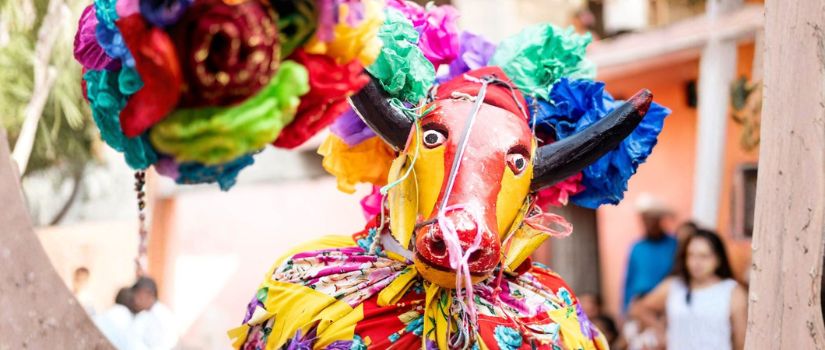
Under the heavy cloak of darkness, the sharp sound of a single clap of thunder pierces the air, as if summoning the spirits of the Amazon. The night sky quivers, revealing just for an instant the frenzy brewing below. In Parintins, a town in Brazil’s Amazonas, the annual Boí-Bumbá festival is set to unfold, a spectacle that dwarfs the more internationally known Carnival. This is no mere gathering; it’s a fervent clash of color, history, and allegiance, where local spirits dance through the very soul of the community.
Two teams, Garantido and Caprichoso, battle not just for bragging rights but for honor steeped in familial loyalty, crafted over generations. The air is thick with anticipation and something less savory-a mixture of sweat, roasted meat, and the faint hint of cheap beer. Locals wear their colors proudly, some applying blue or red paint on their skin, determined to secure their place in this vivid cultural . The festive energy around the arena is infectious, yet a nagging discomfort lingers. The heat is relentless, and as the crowd surges forward, feet shuffle over muddy ground, the squelch of earth beneath them echoing a palpable hunger for victory.
As the first float rolls in, its lumbering mass dwarfs the dancers moving alongside. The faint metallic sound of bells punctuates the rhythm of traditional drums, their thumping a heartbeat that syncs with the frenzied cheers of the crowd. But underneath the lively exterior lies an undercurrent of fatigue. Standing shoulder to shoulder, attendees shift uncomfortably, battling the oppressive humidity and a looming sense of personal space dissolving into the camaraderie of competition. The dancers, adorned in feathered costumes that glint like dewdrops in the starlight, jostle closer to the barrier, each vying for a fleeting moment of connection-to be seen, to be a part of something so much larger.

In this intense environment, eyes lock as a celebrated Indigenous dancer leans into the spotlight. It’s a flash of connection-a brief smile exchanged amid the chaos-before she is whisked away back into the throng. The central figure, the Boí-Bumbá bull, rails amid the hypnotic chants of “Boi, boi boi.” Each cheer reverberates, and fireworks crackle overhead, their smell mingling with the sweat-soaked air. It’s beautiful and chaotic, but for every moment that sends a thrill down one’s spine, there’s also a tendency to question the sustainability of such extravagant displays amid a backdrop of increasing environmental discontent.
The following day invites a different kind of chaos-a quieter, more introspective wildness that stirs within the forest beyond Parintins. The expedition starts with a rather painful journey on a bumpy road, shaking the discomforts of last night out of my bones and replacing them with new aches. Dust clings to the skin as we traverse increasingly isolated terrain. Convenience stores turn into shacks, and civilization begins to fade, dousing the senses in an earthy scent of damp soil and looming foliage that feels both inviting and foreboding.
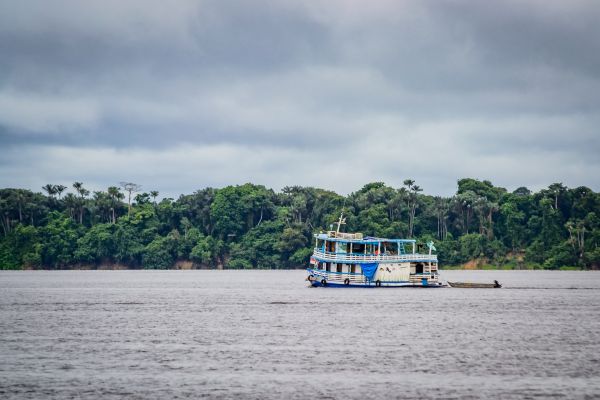
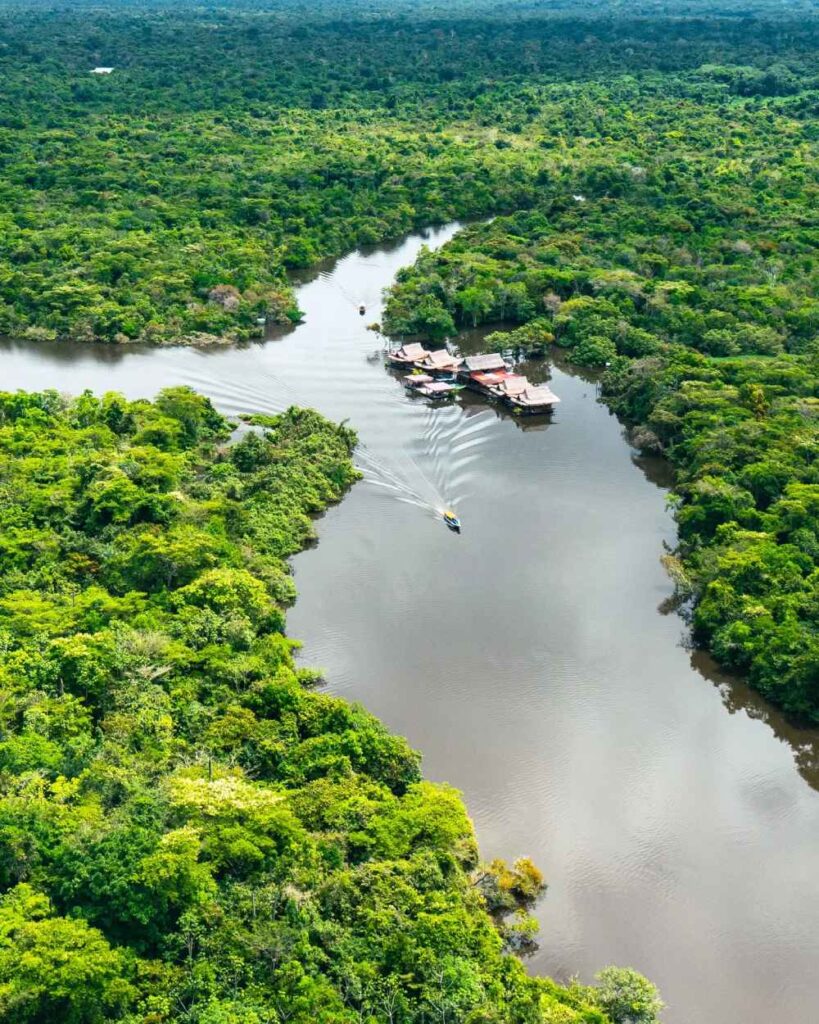
The Anavilhanas Jungle Lodge emerges, cradled in the abundant greenery, though the beauty here is juxtaposed with a burning itch from mosquitoes that seem determined to feast upon unprotected flesh. Once inside, the scent shifts to a humid mixture of fresh wood and ripe fruit. Here, we meet Roberlan, our Indigenous guide, a man whose presence exudes the kind of quiet confidence born out of necessity. The jungle is unforgiving, and he shows us with a machete that sharpens both wood and wisdom. “All you need to survive is this,” he says, effortlessly crafting a fire, the smoke curling in the air like a shroud. It carries the scent of charred bark and fresh earth, a reminder of what lies beneath this vibrant yet delicate surface.
The jungle is not merely a collection of scenic views; it’s alive and teeming with indifference. As the expedition team glides through the thick flora, we strain to spot wildlife, but the creatures seem less interested in us than we are in them. Only a languid sloth stirs in the distance, its nonchalance mocking our zeal. It’s hard to ignore the biting sensation of disappointment creeping in, a stark contrast to the bubbling excitement that had marked the previous evening.

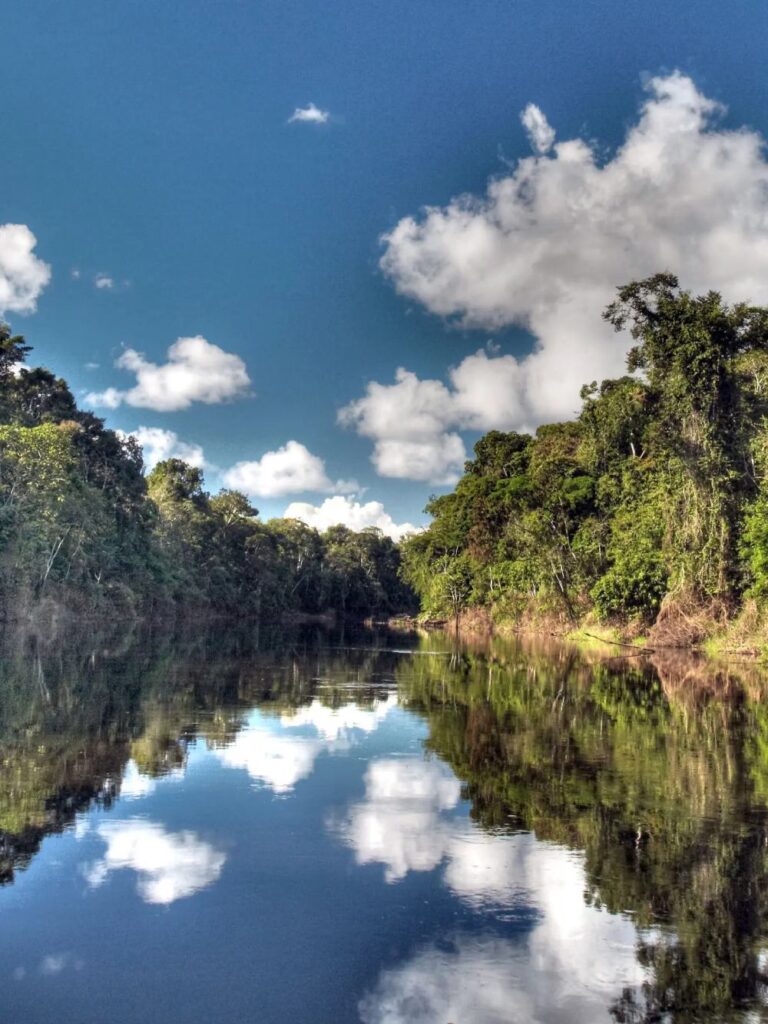
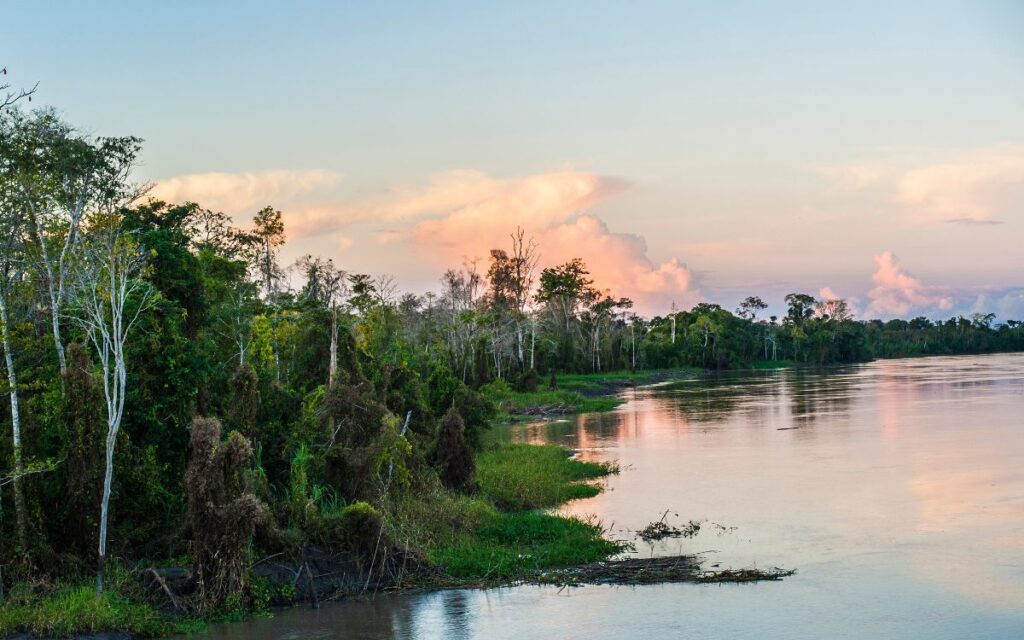
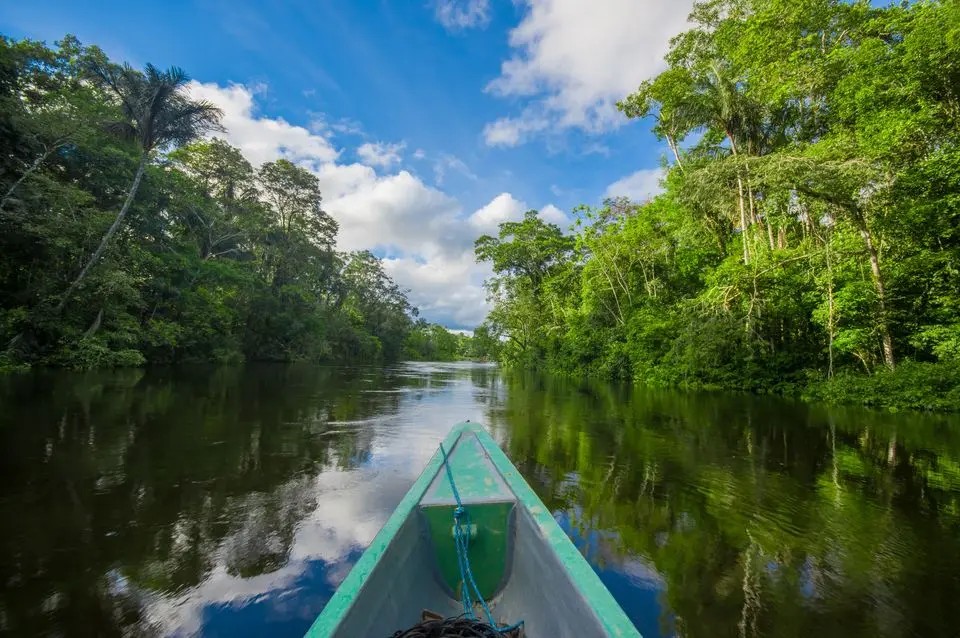
As dusk settles, we on a boat ride. The quiet is palpable, accentuated only by the soft splashes of water against the boat and the distant chirping of unseen insects. The soundscape is captivating, a reminder that nature thrives in silence. Here, away from the cacophony of Parintins, time ebbs and flows like the river-a weighty reminder of its significance, both for its people and its ecology.
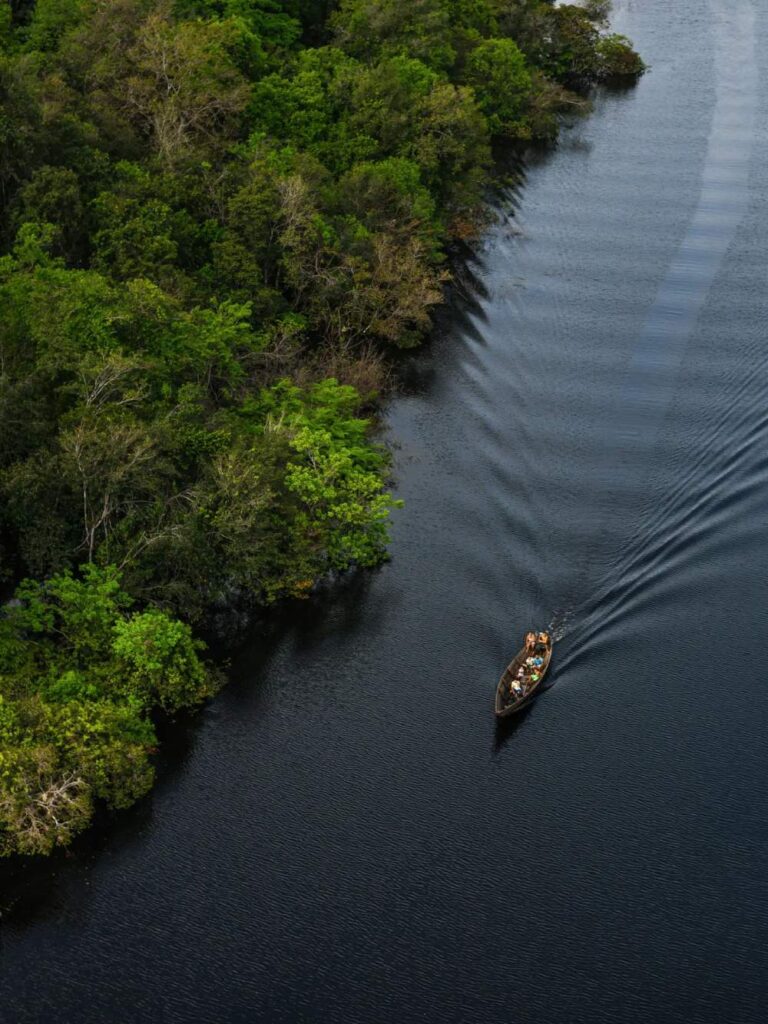
Morning greets us with the possibility of self-reflection as we drift in stillness across the expansive waters. The atmosphere transforms under the milky light-a moment that feels sacred. Yet, as I handle my kayak, the tension from the previous day returns, challenged by my battling arms and legs. Paddling through the submerged forest, dew-laden branches sweep close, the smell of wet earth, living soil, and forgotten roots wrapped in the air reminds me of the interconnectedness of life here. Lithe trees pierce through the water, and I struggle to find balance as I navigate what feels like a labyrinthine network of roots and limbs.
This journey exposes more than just physical challenges, it offers an opportunity for contemplation. The Indigenous customs we learned of in Parintins resonate deeply. Their survival does not hinge on the relentless grind of capitalism; they thrive through their spirituality and connection to the land, adding layers to their resistance against encroaching modernity. It serves as a reminder that while the world speeds by, the heart of the Amazon and her people remains steadfast.
Emerging from the river, I find my footing in the humid air once more, marked by splashes of sweat and the earthy scent of life thriving all around. It’s a world far from the supermarket shelves and sterile environments where most spend their lives. Here, discomfort breeds a kind of authenticity, a raw pulse that lies at the heart of the Amazon-a world forever threatened yet resilient. The beauty of this trip doesn’t lie solely in visual spectacles or culturally curated experiences; it’s rooted in the tangled web of human emotion, discomfort, and the struggle for existence.
While undoubtedly unforgettable, the memories forged here are colored not just with jubilance but with the reflections on fragility-of culture, ecology, and self. Each footfall in the muddy ground, each gust of humid air that tugs at your clothing, becomes part of a larger narrative. The Boí-Bumbá festival, with all its fervor, stands not merely as a celebration but also as a ceremonial reminder of what it means to reside on this spinning planet: to embrace both the joys and the discomforts that come with life.


Leave a Comment