
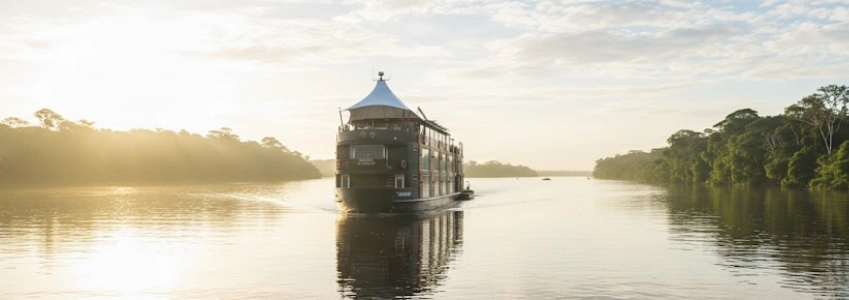
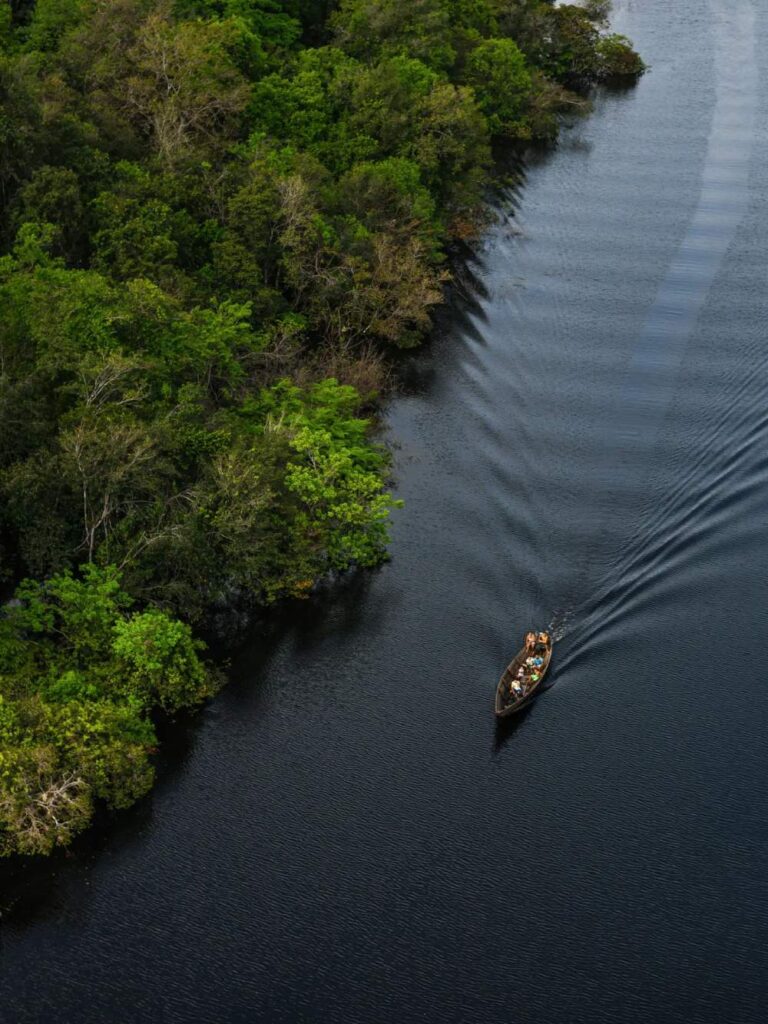
The Amazon operates as an unstoppable force which creates strong water currents throughout its multiple river branches that small boats must navigate. The humid atmosphere creates a tight covering which makes you feel the sweat buildup in your lower back while you experience the scent of mature plants in your surroundings. The cruise ship which arrived at Iquitos Peru during this trip would provide visitors with a direct connection to the vibrant life of the region but the actual experience turned out to be more challenging than the marketing materials suggested. You learn that luxury exists in discovering surprising natural beauty which appears during the turbulent wilderness experience.
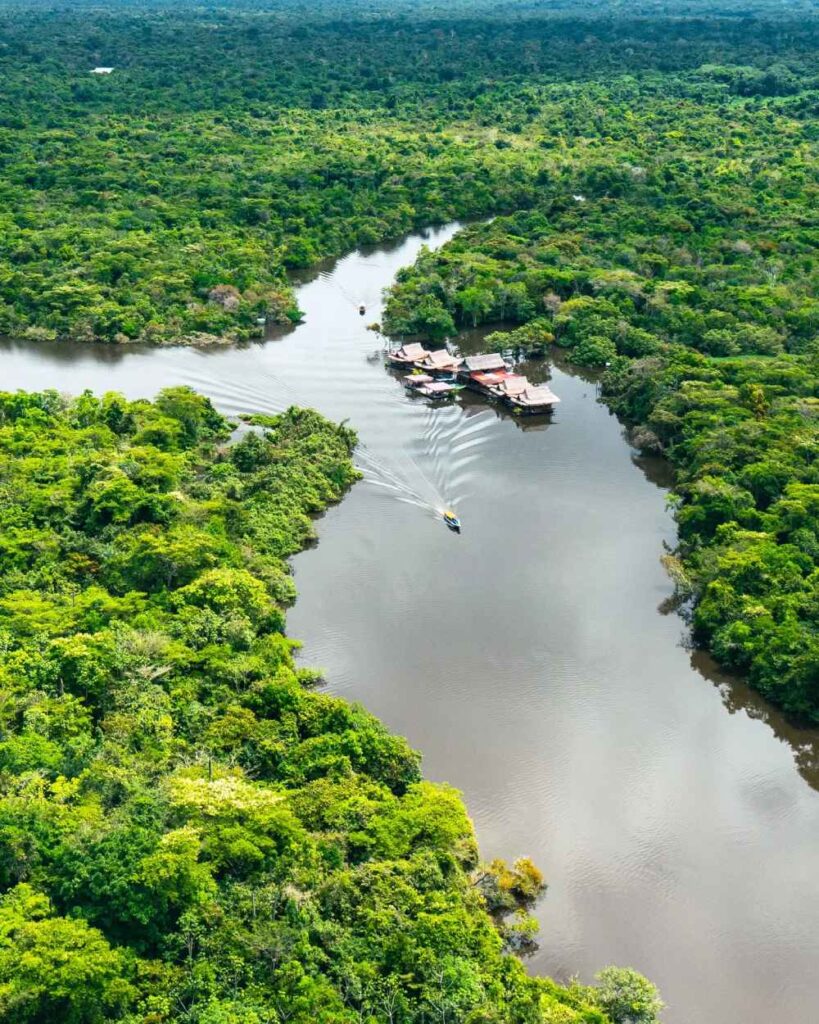
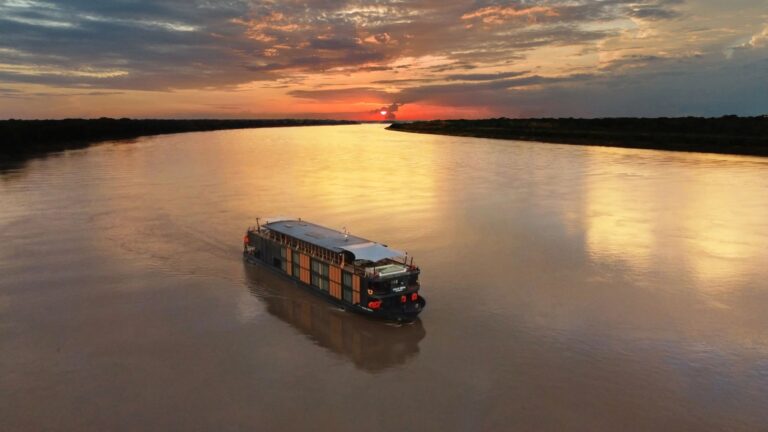
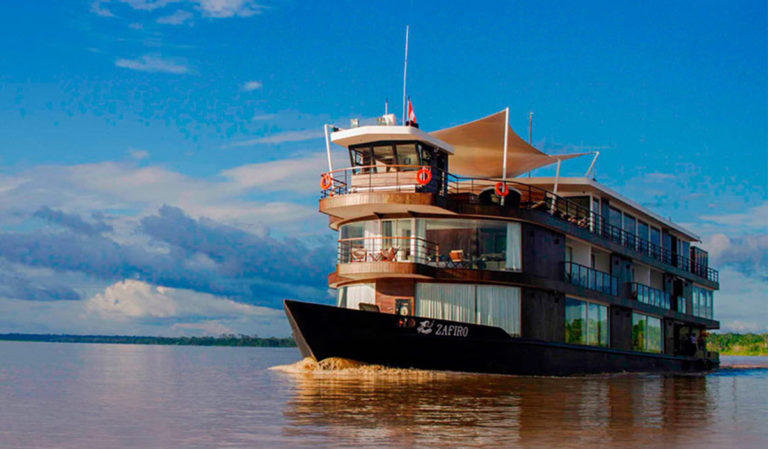
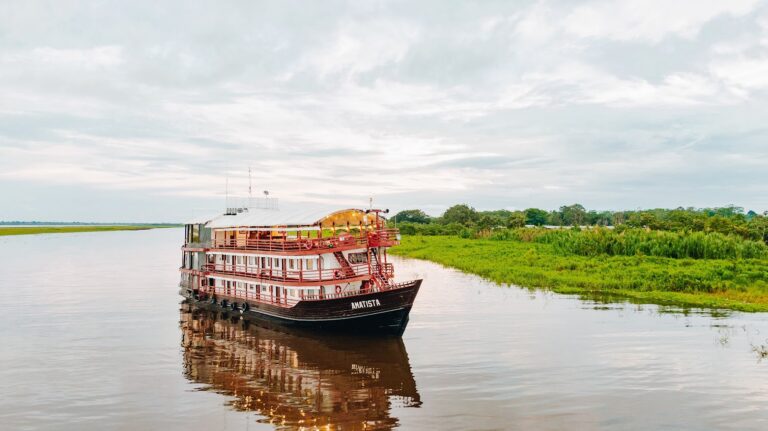
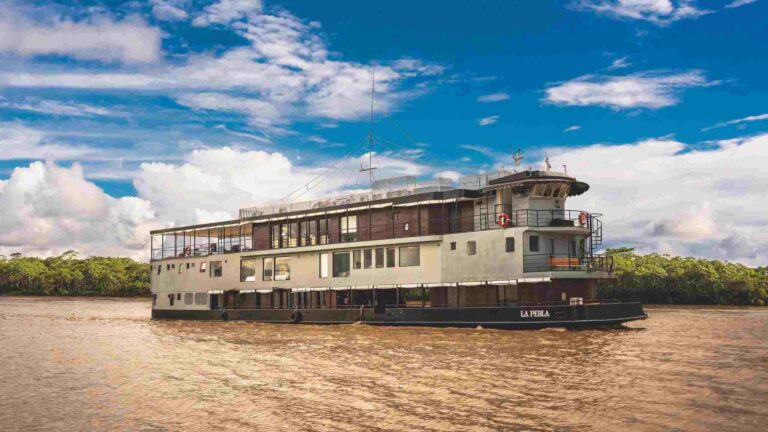
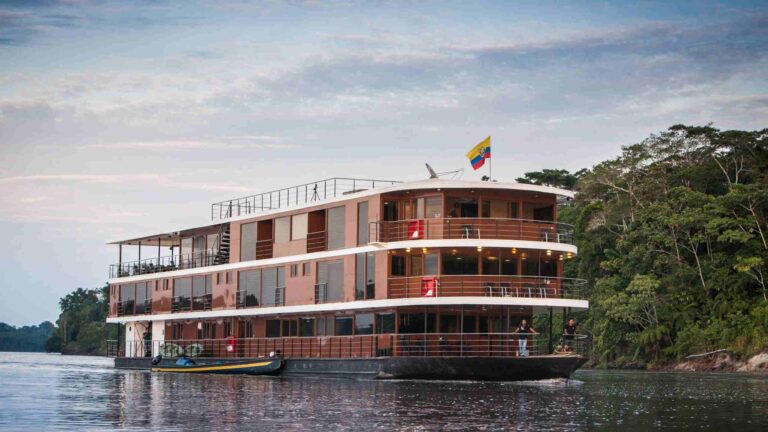
Stepping onto the Aria Amazon, a ship ostensibly designed for 32 guests, there’s a palpable tension in the air, half excitement, half the thick, wet caution typical of the tropical rainforest. The staff members maintain a friendly demeanor but they do not display excessive enthusiasm because their main role involves providing service rather than performing entertainment. The diesel engine creates a constant vibration which I feel beneath my feet while I wait for the ship to leave port because I understand this vast area exists beyond my personal domain. The varnish scent combines with the subtle river scent which produces a combination of algae and decay aromas that create both attractive and unattractive elements in the air.
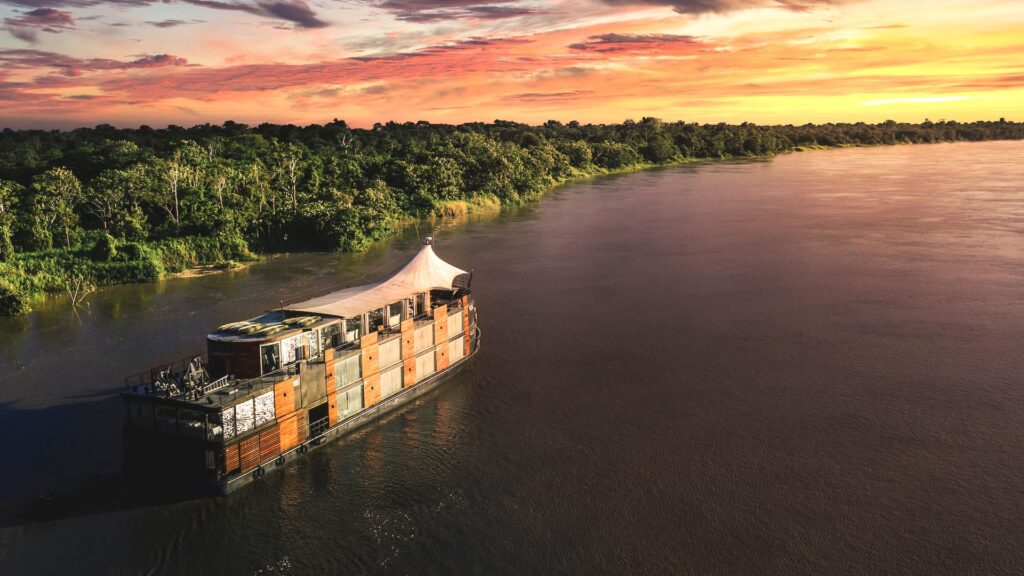
The hotel features suites with windows that stretch from floor to ceiling which display stunning views of palm tree shadows that sway in the sunlight. The suite maintains a cold atmosphere which contrasts with the humid environment. The polished wood surface creates an attractive feel but the normal luxury elements of the home disrupt the natural environment which surrounds it. This is no five-star resort; it’s a floating hotel answering the call of the wild, and there’s the certain grit in that reality.
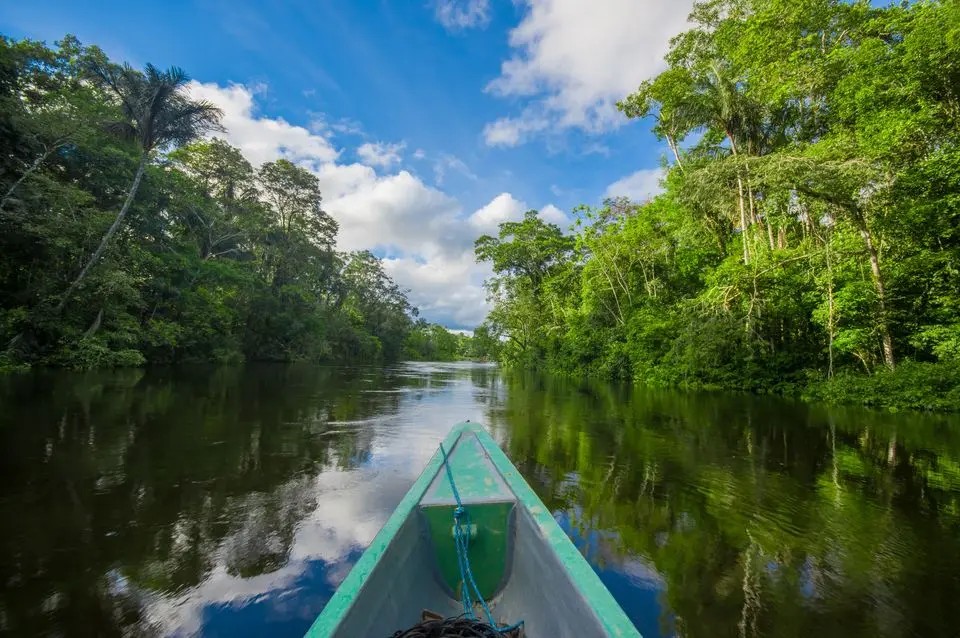
The itinerary offers seven days of thrilling adventures which start with our initial day at the Yarapa River. The water surface reveals its first signs of motion as cicadas create a loud background sound while fish break through the water surface. The natural world seems perfect for kayaking but the high humidity levels have made me doubt if I will ever find peace in this environment. The physical work of paddling turns into a musical performance of breathlessness while my hands remain glued to the paddle and the vast wilderness creates an environment where every sound seems to float between towering trees.
People need to endure the silent moments because this specific type of silence produces its own distinctive form of mental distress. We watch sloths move slowly through the trees while they ignore our presence completely. The local guide leads us through their natural environment while telling us about their accumulated knowledge from spending multiple years in the jungle. People in the community maintain their presence in everyday discussions yet their stories reveal the effects of today’s foreign presence. People experience happiness which includes multiple stages of adversity yet I struggle to identify the proper way to hear their stories without adding my own interpretation.
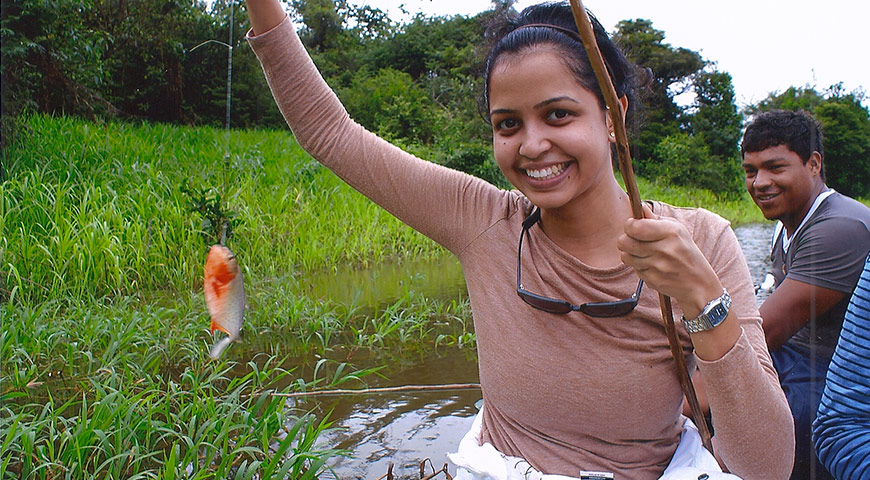
Our journey weaves us into the trajectory of small, riverfront towns. The local culture spills over into our experiences; fishing trips, where the crew teaches us to catch piranha, reveal not just skills but the tensions of survival-an Email I never realized I’d need to grapple with while sipping something purportedly ‘exotic’ on the ship’s deck. The plate presents a strange predatory taste which appears when the food grills in its natural oils to create an unsentimental but genuine culinary connection.
The dull aspects of daily life which people experience do not reduce the energetic nature of their community during their visits to nearby towns. Children play barefoot while they run through the dusty ground which carries the scent of open fires in the atmosphere. People gather around cocoa leaves to create a lively atmosphere which produces joyful feelings through their collective storytelling. The language barrier creates uncomfortable situations which people find both funny and uncomfortable while they learn that connection needs time to develop.
The tropical environment experiences its standard night transformation which creates an enchanting atmosphere together with frightening feelings. After eating you head outside to the deck where darkness fully covers the area except for the sounds of leaves moving and insects singing their endless songs. The atmosphere contains high humidity levels together with an additional element which resembles natural soil fertility. The environment exudes a powerful energy which draws you toward an intensely lively yet disturbing place. The search for constellations seems impossible yet it enables you to link with the ancient history of this area and the numerous explorers who wanted to uncover its mysteries.
Disembarking from the Aria doesn’t signal an end; it’s merely a transition to another segment of this layered odyssey. With Iquitos as our return point, you might expect an easy jaunt back to civilization. The situation has deteriorated into complete disorder throughout the tiny Amazon settlement which I now call home. The coffee at this café delivers instant service but it produces unpleasant flavors which fail to satisfy my taste buds because I must drink from tables used by many customers who rushed through their short time here.
My journey will carry me forward to Sacred Valley because I now concentrate on this destination.
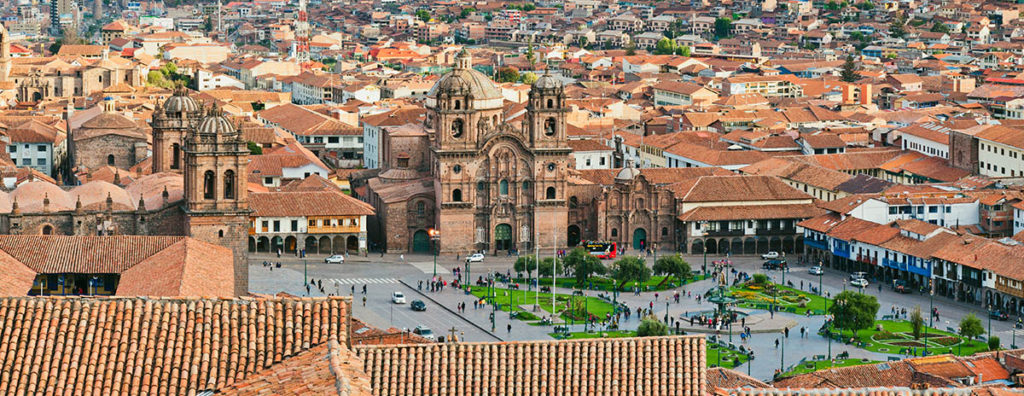
The entire city of Cusco experiences a complete transformation of its atmosphere. The dry mountain air at high elevations restores my hearing and vision which Amazonian humidity had dampened. The doorways of Traditional Andean cuisine welcome us with their nostalgic Andean-style foods which remind us of our childhood experiences. A meal here comes with a delicate touch of cumin and cinnamon, blending seamlessly into hearty stews and roasted meats, each bite a stark contrast to the river fish from days before, and yet perfectly tender in its own right.
Exploring Machu Picchu takes on a different urgency. The mountain air slices past as I grapple with steep cliffs, each step witnessed only by indifferent llama. The ruins receive admiration because the occupants maintain their dignity which shows how this land has existed for many years. The ancient stones which the landscape contains have transformed the way people experience comfort in this area. The buttons soften in your lungs; the earth beneath your feet is so alive it feels as if it might sigh beneath the weight of history long before the sun slips steadily over the horizon.
The Amazon functions as a complex natural environment which extends beyond its role as a scenic setting for personal development. The setting does not provide any comfort while it creates barriers which block the free development of creative thoughts. The river together with the heat and silence and continuous efforts to manage discomfort reveal that adventure requires more effort than it seems at first.
Traveling through the Amazon exposes you to various obstacles which restrict your physical movement and your emotional state and your ability to understand different cultures. Discomfort becomes unavoidable, and through it, awareness sharpens. The experience requires you to show humility because nature operates independently of human control and communities exist for more than just scientific study and meaning exists beyond commercialized products.
What endures is not the memory of amenities or curated excursions, but the confrontation with vulnerability. The Amazon leaves behind an understanding that exploration is less about conquest or escape and more about exposure—to uncertainty, to imbalance, and to a quieter, more essential version of human presence.


Leave a Comment