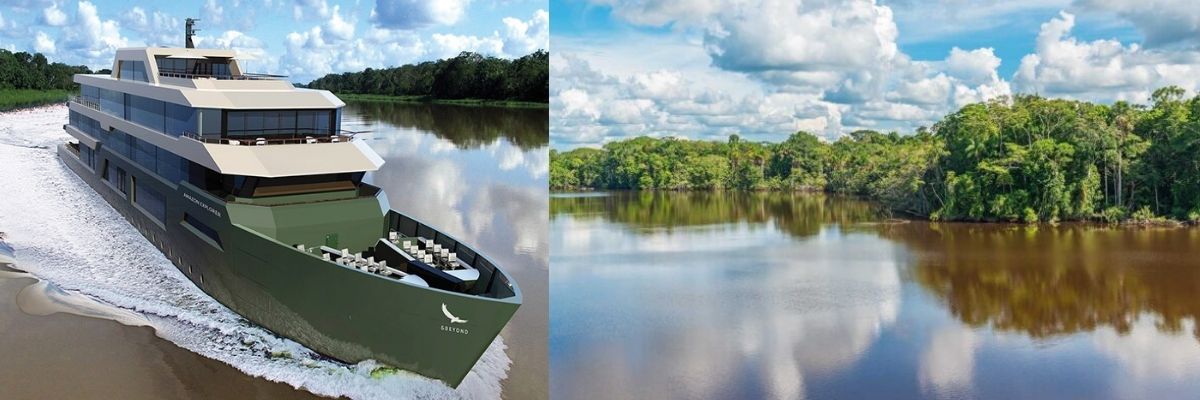
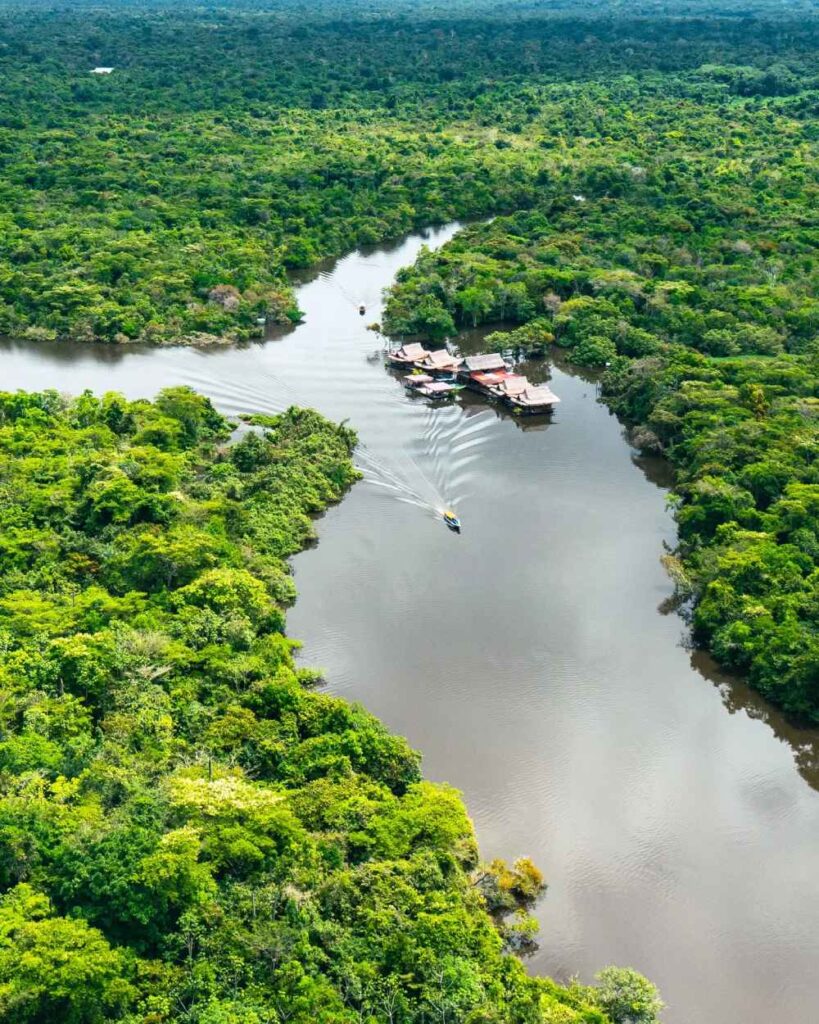
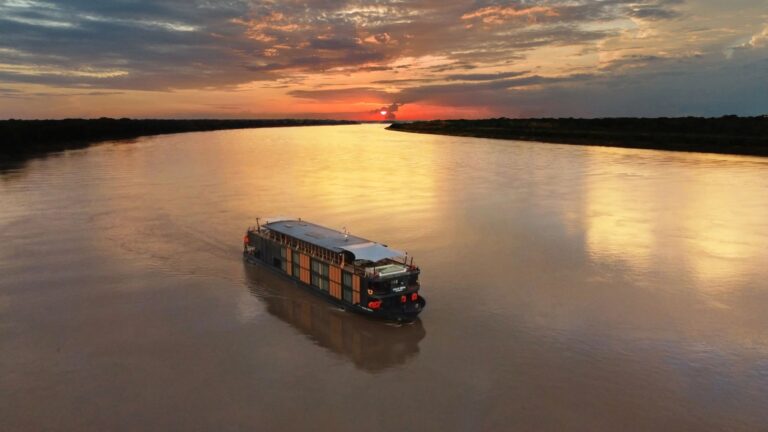
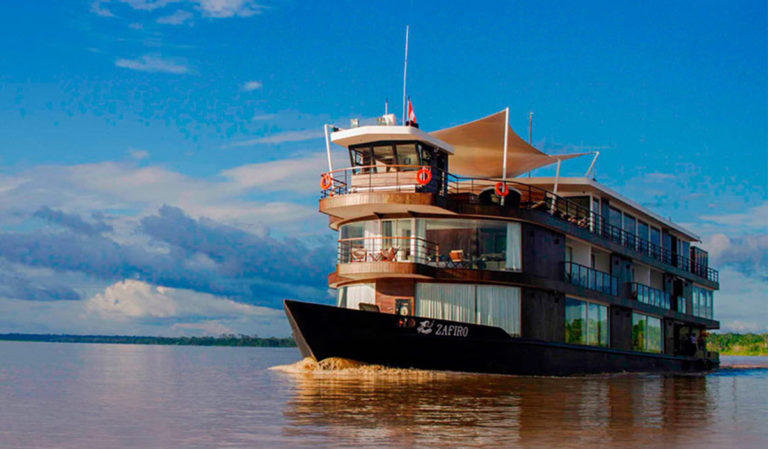
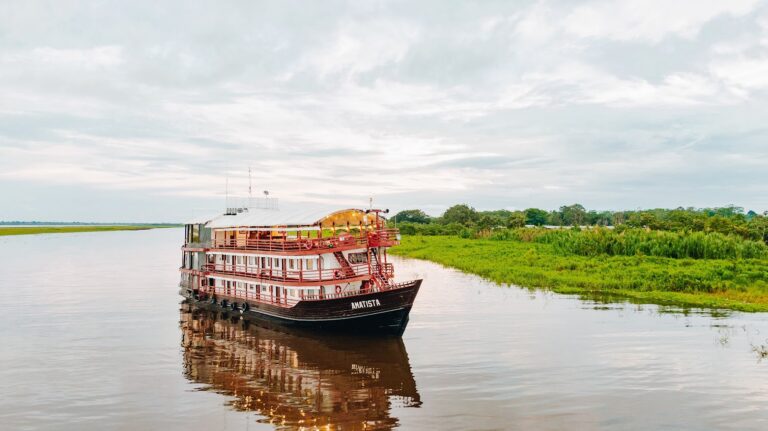
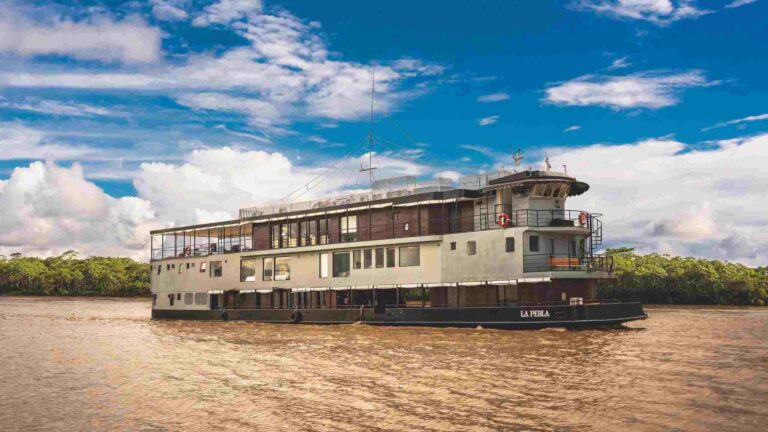
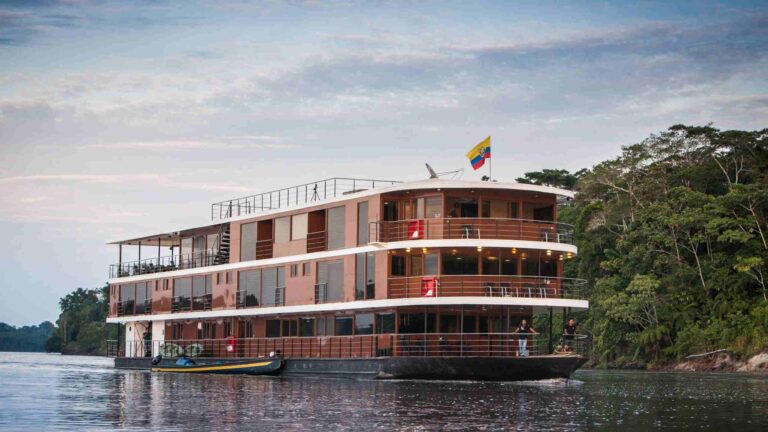
In December 2026, a 74-metre expedition yacht is scheduled to join the brown, restless waterways reached through Iquitos, carrying no more than 32 guests into a landscape where humidity settles on skin almost immediately and engines, insects and birds compete for the ear. Amazon Explorer, operated by andBeyond, is being positioned less as a conventional cruise ship than as a floating base for excursions into the Peruvian Amazon. Its scale matters: 15 suites rather than corridors packed with cabins, and small boats rather than mass shore excursions. The proposition is comfort without pretending that the forest itself will become comfortable. Heat, rain, mosquitoes, damp clothing and stretches of patient wildlife watching remain part of the bargain.
Iquitos gives the operation an appropriately complicated starting point. The northeastern Peruvian city has no conventional road connection with the rest of the country, so visitors generally arrive by air before continuing toward river ports and the waterways beyond. That isolation is not a decorative detail; it shapes logistics, supplies, schedules and the feeling of moving from an urban gateway into a river-dominated region. The transition can be noisy and humid, with boat motors replacing road traffic and the smell of wet vegetation becoming harder to ignore as the city falls behind. For travellers accustomed to seamless resort transfers, the geography itself provides an early reminder that the Amazon does not operate according to hotel logic.
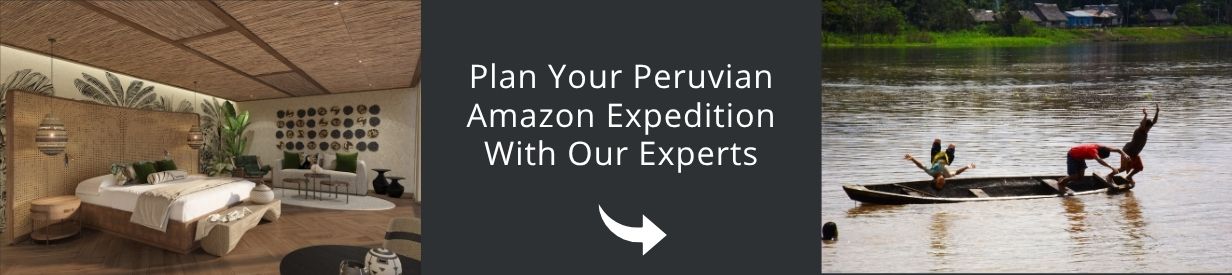
Amazon Explorer will carry a maximum of 32 passengers across 15 suites: 12 luxury suites, two superior suites and one deluxe suite. The largest accommodation exceeds 80 square metres, an unusually generous amount of private space for an expedition vessel where cabins can otherwise feel designed primarily for sleeping and changing damp clothes. Floor-to-ceiling windows are intended to keep the river and forest present even when passengers retreat indoors. That visual connection will probably matter after hours outside in sticky air, when air-conditioned quiet and a shower can feel more valuable than another scheduled activity. With relatively few passengers aboard, the vessel is clearly betting that privacy, silence and room to spread out are central parts of contemporary high-end expedition travel.
The interiors draw on the Peruvian Amazon, including references to Shipibo-Conibo culture and Kené artistic traditions. Kené designs are associated with Shipibo artistic practice, so their appearance aboard a commercial luxury vessel carries more weight than a convenient decorative pattern. The source material does not specify how local artists or communities participated in the design process, making it worth distinguishing visual reference from deeper cultural collaboration. Travellers should resist treating Indigenous aesthetics as another amenity alongside cocktails or spa treatments. Cultural context needs interpretation, conversation and, ideally, meaningful participation from the people whose traditions are being represented; otherwise, even an attractive interior can ring hollow.

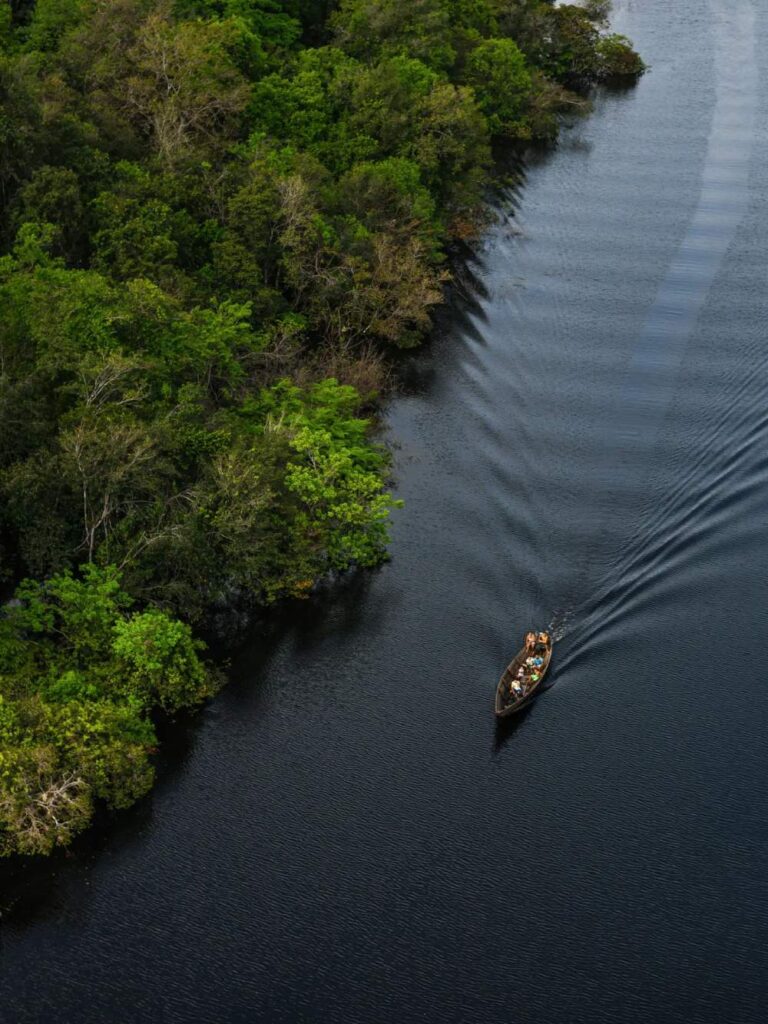
Three-, four- and seven-night itineraries are planned, but the important hours may be those spent away from the main vessel. Proposed activities include excursions by smaller skiff, rainforest walks, kayaking, birdwatching, night safaris, piranha fishing, stargazing and searches for pink river dolphins. None comes with a wildlife guarantee, and that uncertainty is part of competent nature travel rather than a defect to be corrected. A monkey may disappear before binoculars are raised, dolphins may surface too far away, and a long wait can produce little beyond insect noise and the slap of water against an aluminium boat. Expedition travel becomes more convincing when operators and guests accept that animals are indifferent to itineraries.
Naturalist guides will therefore be at least as important as the yacht’s physical comforts. A good guide can turn what initially sounds like an anonymous wall of buzzing forest into separate calls, tracks, feeding signs and ecological relationships, while poor interpretation leaves guests merely collecting distant shapes through binoculars. Small groups should make listening easier, especially on narrow waterways where conversation and engine noise can overwhelm quieter forest sounds. Walking brings its own realities: mud grips footwear, humidity makes shirts cling to the back, and rain can move from background possibility to immediate inconvenience with little ceremony. The reward is not constant drama but attention sharpened by an environment that rarely performs on demand.
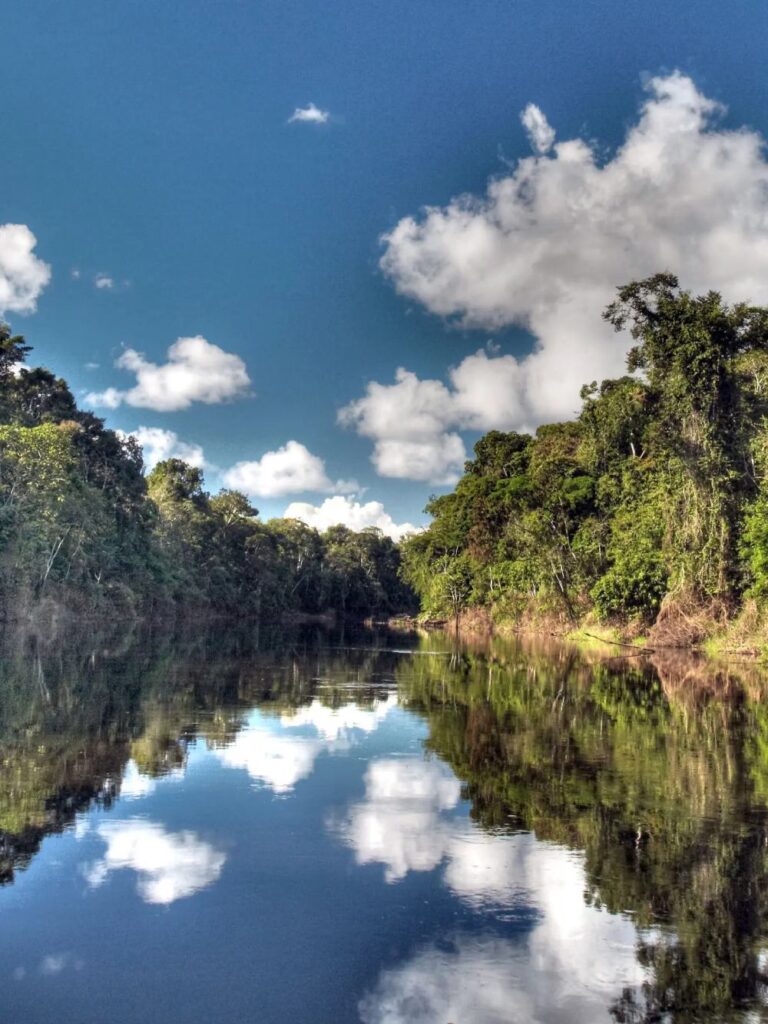
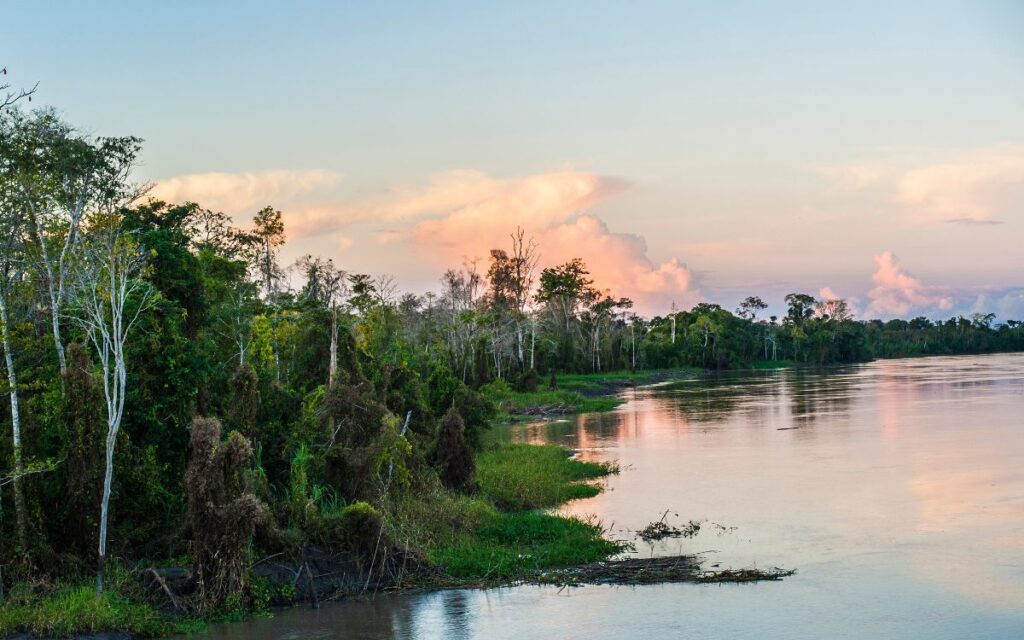
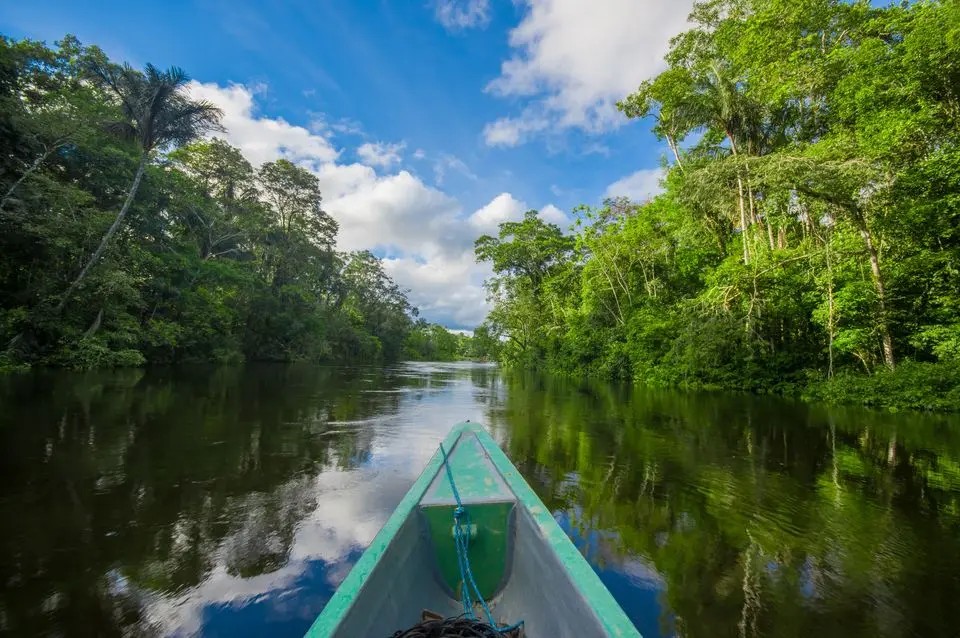
The wider Pacaya Samiria area forms a central part of the proposed experience, placing passengers near one of Peru’s major protected Amazonian landscapes. Rivers, wetlands, forests and seasonally flooded terrain support birds, reptiles, monkeys and river dolphins, although the precise cast visible on any excursion depends on luck, timing and local conditions. Water is the controlling force here, determining where boats can pass and where people can walk. During higher-water periods, smaller craft may penetrate flooded forest that is inaccessible at other times; lower water can expose trails and change how the landscape is explored. The physical sensation of the trip changes with it, from hours sitting low over water to more time walking in heat and listening to boots meet soft ground.
This seasonal variation makes the Amazon a poor destination for anyone expecting an identical programme every day of the year. Rain, river height and wildlife movements can force expedition teams to modify plans, and flexibility is more useful than a rigid checklist. Some departures may involve long spells of waiting, particularly when guides are searching for animals rather than visiting fixed attractions. There can be engine fumes, wet seats and the persistent whine of insects between moments of excitement. Small vessels have an advantage precisely because they can respond to these conditions rather than forcing the landscape into the timetable of a much larger ship.

Back aboard, Amazon Explorer is designed to provide a pronounced change of temperature and pace. Planned spaces include an Explorer Centre focused on learning and interpretation, a River Retreat, wellness facilities, a gym, an upper sundeck and a Pisco Bar. After a humid forest outing, these areas are likely to function less as displays of luxury than as places to dry off, cool down, drink something cold and let tired legs recover. The Pisco Bar also places a recognisably Peruvian spirit inside the onboard experience rather than treating the country merely as scenery outside the windows. What matters will be whether those comforts support engagement with the destination or become insulation from it.
The Explorer Centre could prove especially useful because Amazon travel benefits from explanation before and after excursions. Guests may see a bird for seconds or hear an animal without ever spotting it, and interpretation can give those incomplete encounters ecological meaning. Evening discussions can also provide context for seasonal flooding, forest habitats and the relationships between communities and rivers. After dark, the sensory balance changes: visibility shrinks, insect and frog calls become more prominent, and the air can feel heavier once the day’s heat lingers over the water. A vessel designed around interpretation has an opportunity to make those quieter hours as significant as the more photograph-friendly excursions.

The vessel’s arrival also raises a less comfortable question: what does luxury expedition tourism contribute to the places through which it moves? A maximum of 32 passengers keeps individual groups small, but low passenger numbers alone do not make an operation environmentally responsible. Waste handling, fuel and energy use, wildlife-viewing practices, guide employment, purchasing and community relationships all matter in an ecosystem where careless operations can carry consequences beyond the guest experience. Community visits require particular sensitivity because a village is not an attraction staged for outsiders, and hospitality should not be mistaken for unlimited access. The quality of these relationships will be harder to photograph than a river dolphin, but it may say more about the operation’s long-term value.
Iquitos also stands to play a larger role than that of a transit point. Expedition cruising can generate demand for guides, drivers, boat crews, hotels, food suppliers and other services before passengers ever step aboard the main vessel. There are practical complications too, because a city dependent heavily on air and river connections cannot offer the same logistical redundancy as a major coastal tourism centre. Delays and weather disruptions can ripple through tightly planned itineraries, while supplies for a high-end vessel must travel through the same demanding geography. Travellers combining the cruise with Lima, Cusco or Machu Picchu should therefore leave sensible margins rather than treating every domestic connection as mechanically interchangeable.
The available itinerary lengths also imply very different relationships with the forest. Three nights can provide an introduction, but arrival procedures, transfers and the basic rhythm of daily excursions consume a larger proportion of a short trip. Four nights create a little more breathing room, while seven nights should allow weather, fatigue and slower wildlife days to feel less consequential, though the source material does not detail the exact programme for each departure. Longer does not automatically mean easier: repeated early starts, humid outings and time in small boats can wear on travellers unaccustomed to expedition schedules. The best preparation is less about formal clothing and more about accepting sweat, wet footwear, changing plans and the occasional anticlimax.
What Amazon Explorer ultimately adds to Peru is another way of connecting high-end travel with a part of the country often overshadowed internationally by Lima, Cusco and Machu Picchu. The yacht’s December 2026 debut will test whether generous suites, specialist guiding and small-group excursions can coexist convincingly with the ecological and cultural responsibilities of operating in the Amazon. Its strongest idea is simple: the ship should be the base rather than the destination. The forest outside will remain hotter, wetter, noisier and far less predictable than anything aboard, which is precisely why the difference matters. Luxury here makes the most sense when it helps travellers recover between encounters with the Amazon rather than pretending to tame it.
Beyond plans to begin Amazon Explorer operations in the Peruvian Amazon in December 2026. The vessel is scheduled to use Iquitos as the principal gateway for its river-based expedition experience.
The 74-metre vessel will accommodate a maximum of 32 guests in 15 suites. Those include 12 luxury suites, two superior suites and one deluxe suite, with the largest accommodation exceeding 80 square metres.
Planned experiences include skiff excursions, wildlife observation, rainforest walks, birdwatching, kayaking, night safaris, piranha fishing, stargazing and community visits. Wildlife encounters depend on natural conditions and cannot be guaranteed.
The vessel is expected to offer three-, four- and seven-night journeys. The source material does not provide detailed day-by-day programmes, so travellers should compare individual itineraries once specific departure information is available.
Seasonal water levels influence where visitors can travel and how excursions operate. Higher water can permit boat access into flooded forest, while lower-water conditions may make trails and other areas easier to explore on foot.

Leave a Comment