
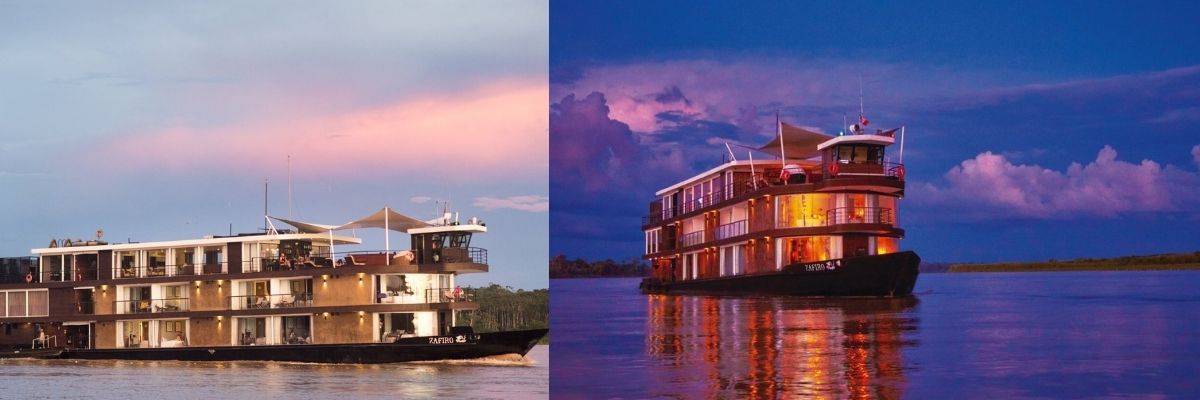
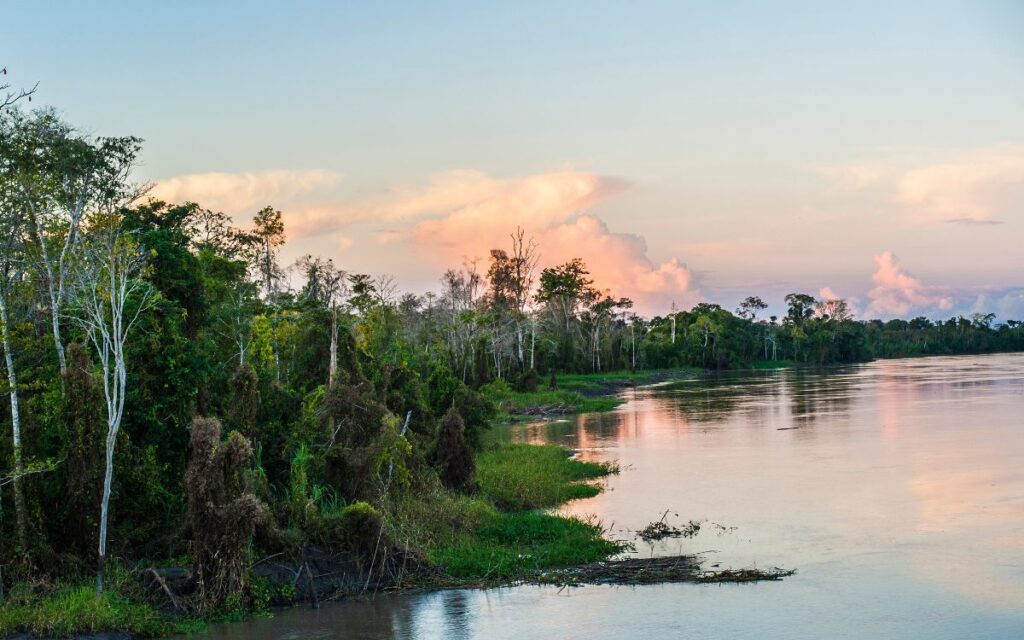
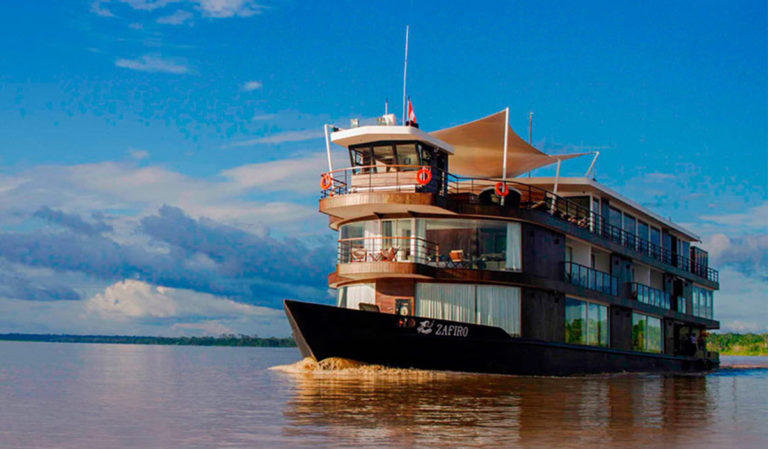
Morning comes early on the Peruvian Amazon, before the heat has gathered its full weight and while passengers are still shaking sleep from their heads. From a small skiff, the river can seem quiet until a naturalist guide catches a movement high in the canopy and the engine drops to a murmur. Red-bellied macaws chatter from the treetops, their calls carrying across water that smells of vegetation, mud and humidity. Spotting them is less a matter of luck than trained attention, especially with guides who grew up reading this landscape for the flick of a wing or a disturbance among the branches. That combination of waiting, listening and occasionally seeing very little is central to a voyage aboard Jungle Experiences’ Zafiro.
The three-night Zafiro Experience concentrates on Peru’s Pacaya Samiria National Reserve, a vast protected area connected to the river system near the beginning of the Amazon proper. Getting there requires some commitment: travelers fly roughly two hours from Lima to Iquitos, a city without conventional road connections to the rest of Peru, and then continue by road for around two bumpy hours to Nauta. The transfer is part of the reality of traveling here, where distances are measured as much by river bends and road conditions as by kilometers. Once aboard, air-conditioning, cold filtered water and a proper bed feel more significant after the sticky journey. Luxury in this climate quickly becomes less about decoration and more about having somewhere cool and dry to recover.
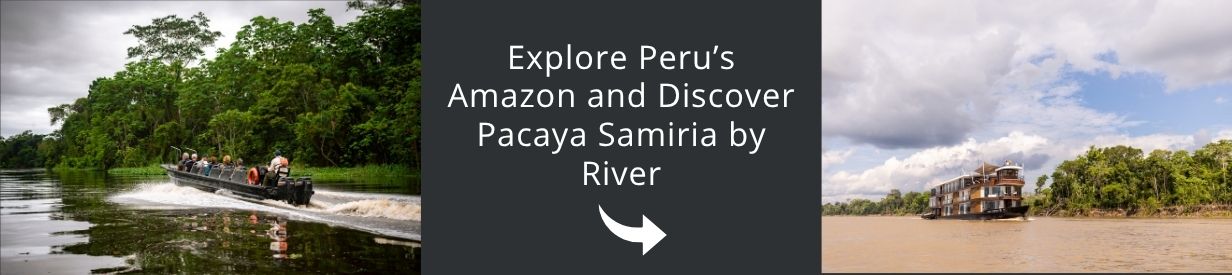
Conditions shape almost everything in Pacaya Samiria, and the expedition team briefs passengers soon after boarding about excursions and the likelihood that plans will change. The Amazon does not care much about a printed schedule; rain, heat, river levels and wildlife movements can force adjustments. During the low-water season, more active outings such as kayaking, fishing and swimming can become possible, while wildlife spotting is a major focus. Pacaya Samiria supports more than 1,000 animal species and 965 wild plant species, including roughly 500 bird species. For keen birders, that means long periods scanning branches through binoculars while insects hum, engines idle and sweat gathers under clothing.
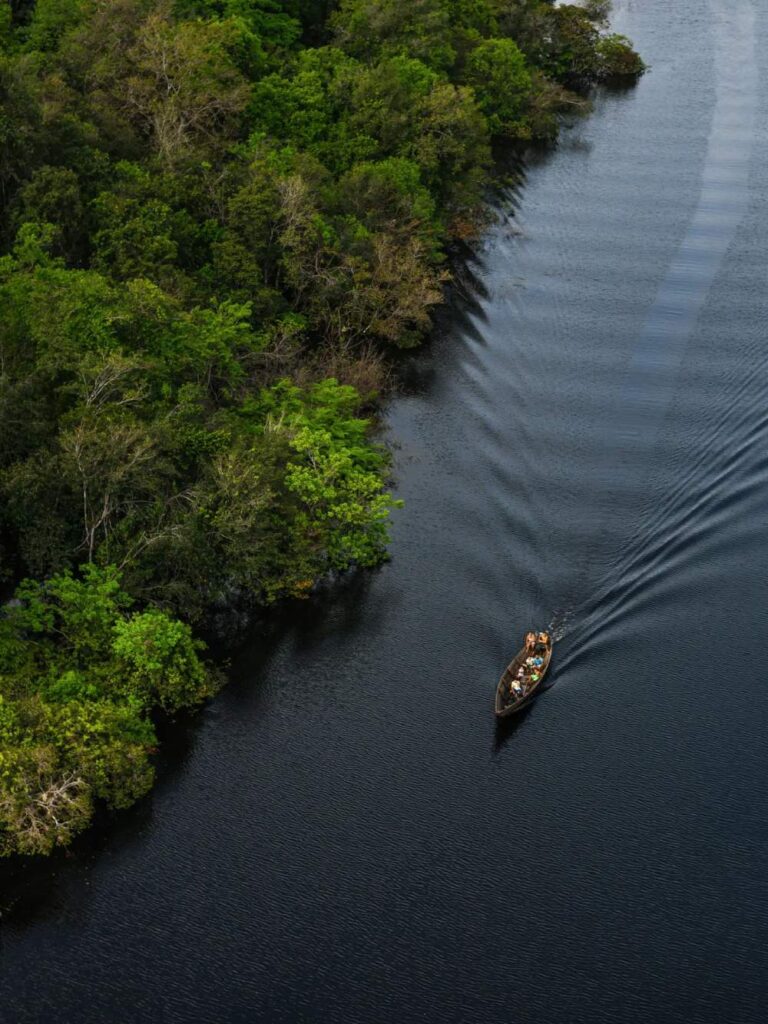
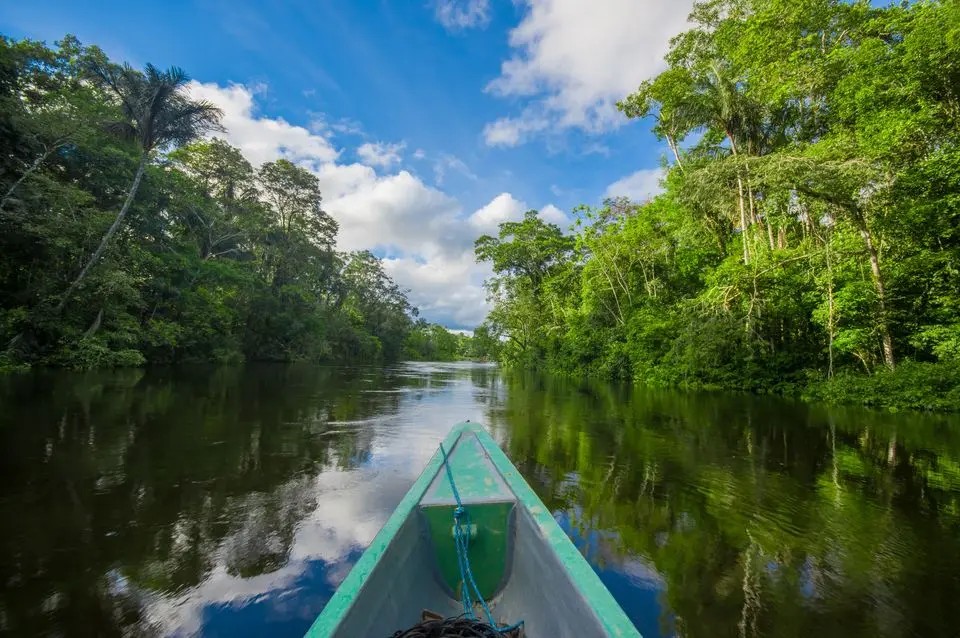
Days can be surprisingly busy for a river cruise, with two outings sometimes scheduled in the morning and another later in the day. Many last between 90 minutes and two hours, and the heat eventually becomes as important as whatever animal everyone is trying to find. In July, temperatures can climb through the upper 80s Fahrenheit while humidity approaches saturation, leaving shirts damp and making the return to the ship’s cooled interior particularly welcome. Most excursions use two compact skiffs capable of entering tributaries and narrower stretches of water inaccessible to Zafiro itself. Their engines, the slap of water against the hull and sudden bursts of birdsong provide much of the soundtrack of the trip.
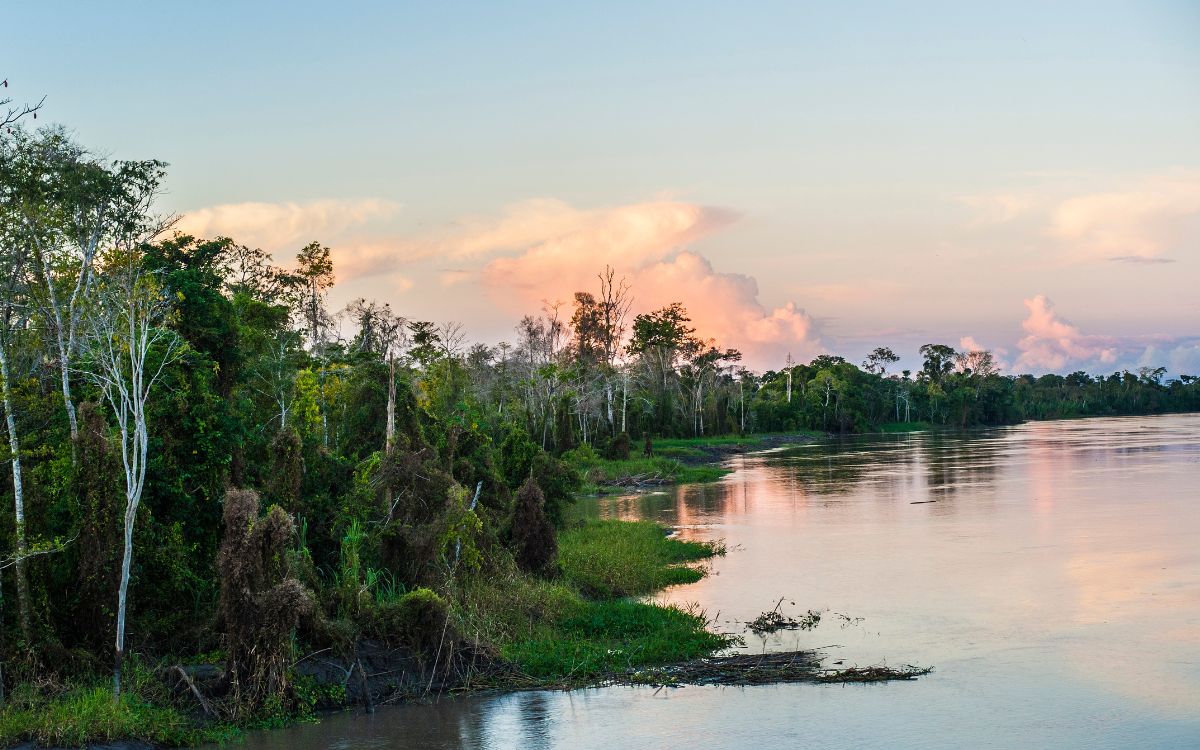
The skiff outings vary rather than simply repeating the same search each day. An early departure might concentrate on birds, another outing can look for pink river dolphins, and darkness brings the possibility of a night safari, when familiar waterways take on a different character and every rustle seems louder. Sightings are never guaranteed, which is worth understanding before coming to the Amazon with a checklist mentality. Animals remain indifferent to itineraries, cameras and the distance travelers have covered to see them. Guests who have had enough of binoculars, engine noise and humid air can also skip an excursion and remain aboard.
Walking changes the relationship with the forest because the protective distance provided by the skiff disappears. Jungle outings can require pulling on rental rubber boots and pushing through mud that grips at the soles, with a local guide leading the way and using a machete where necessary. The air feels heavier away from open water, and the forest carries the damp smell of leaves, soil and decaying plant matter rather than the cleaner movement of air on the river. After hours spent sitting in a boat, using your legs is welcome, although slippery ground and humidity make even an ordinary walk more tiring than expected. This is not polished wilderness designed for effortless passage, and that physical inconvenience is part of understanding the environment.
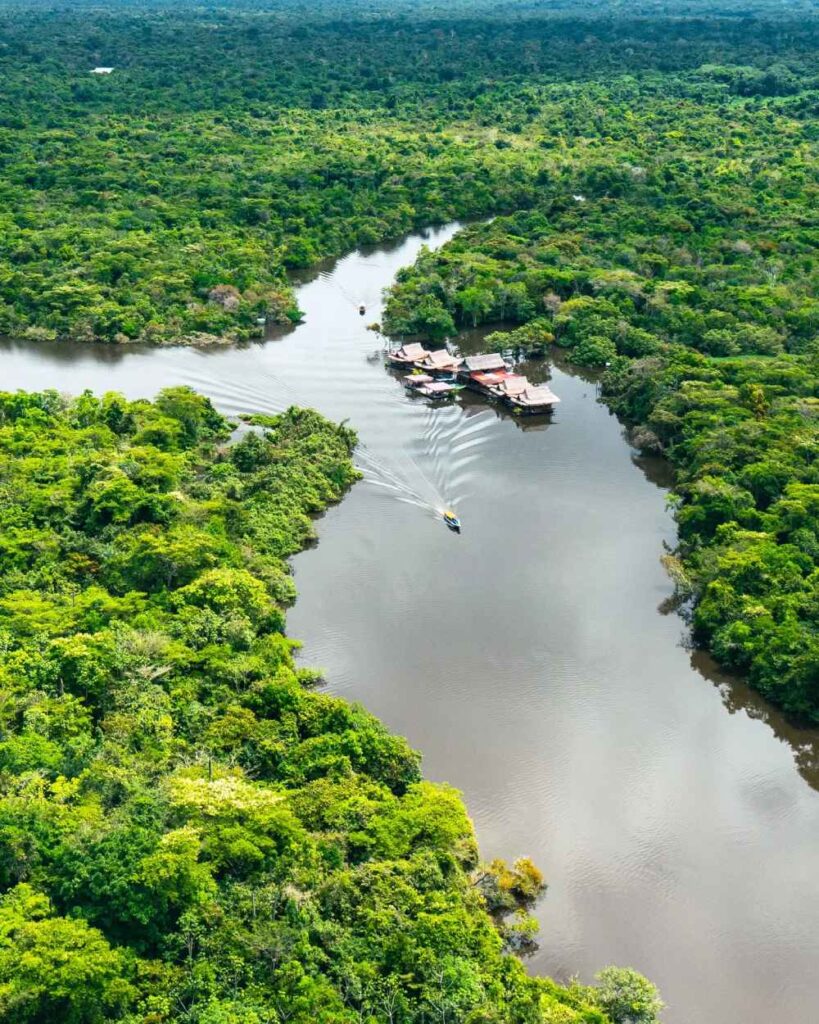
Zafiro passengers can also visit a local community, an excursion that shifts attention from animals toward the people whose daily lives depend on these waterways. Rather than presenting the settlement as scenery, the visit offers glimpses of ordinary routines: children playing soccer on muddy ground, a small school and women selling locally made handicrafts. Travelers who want to buy something need cash, a practical detail that is easy to overlook when most of the cruise operates in a self-contained environment. Mud, voices and the sounds of children playing make the visit feel markedly different from the controlled quiet of the ship. The value lies in observing a living community without expecting residents to perform an idealized version of Amazonian life.
A meeting with a shaman provides further context about healthcare and community traditions in an area where reaching a hospital can require more than five hours of travel. Shamans can serve as respected elders and practitioners of traditional medicine across several settlements, giving their role a practical dimension beyond the mystical imagery sometimes attached to the word by outsiders. During the visit described on this itinerary, guests could participate in a short question-and-answer session and a blessing while learning about local practices and ceremonies. The encounter works best when approached as cultural exchange rather than entertainment or a promise of personal transformation. Listening matters, especially when the surrounding river communities operate with logistical constraints that visitors can easily forget once they return to an air-conditioned cabin.

One of the useful features of the Zafiro Experience is that the program has room for adjustment when conditions and passenger interests allow it. Kayaking, traditional fishing and river swimming may be possible even when they are not initially prominent on the schedule, so travelers with particular interests should raise them with the guides rather than assume the printed program is fixed. On the voyage described in the source material, a planned return to search for pink river dolphins was changed after dolphins had already been seen earlier in the trip. The replacement outing involved traditional piranha fishing followed by swimming in an Amazonian tributary, an altogether more tactile encounter with the river. That kind of flexibility is useful in a place where rigid schedules make little sense and where weather, water and wildlife can alter the day without warning.
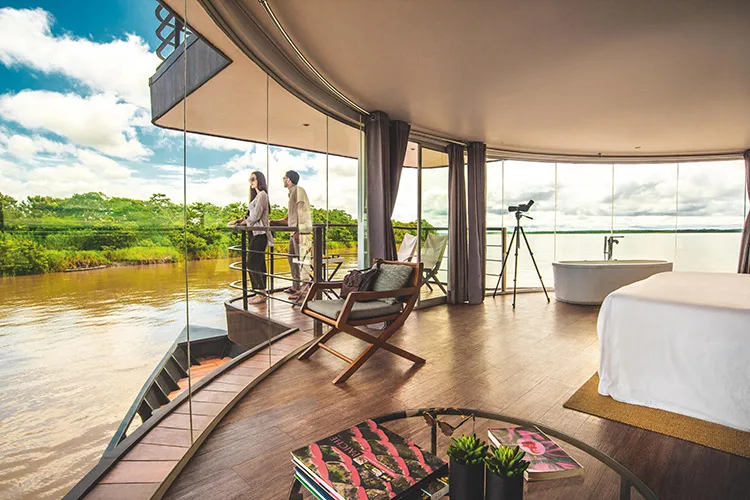
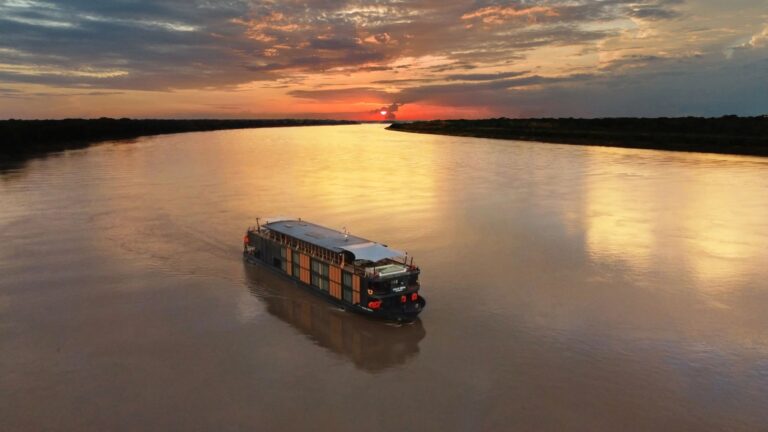
Zafiro carries just 19 cabins, keeping the scale relatively intimate after the heat and exposure of excursions. Eight First Deck Suites and eight Second Deck Suites form the majority of the accommodation, with the latter adding private balconies, while two Master Suites and a single Zafiro Suite complete the inventory. The Zafiro Suite includes a private balcony, whirlpool bathtub and 180-degree outlook, and every cabin category has floor-to-ceiling windows that keep the river present even when guests retreat indoors. Cabins include practical comforts such as proper beds, storage and bathrooms, while filtered water addresses one of the most basic needs in the humid climate. Most consequentially, the vessel is air-conditioned, and the cool air against sun-warmed skin can feel more valuable than many conventional markers of luxury.
The main lounge is the social center of the vessel, partly because it is where passengers can connect to Wi-Fi and partly because briefings, drinks and crew performances take place there. Comfortable seating and the cocktail bar make it an obvious gathering point between excursions, when people compare wildlife sightings or simply recover from the heat. Outside, a deck with loungers and a hot tub provides another place to slow down, although in Amazonian temperatures the tub functions more like a soaking pool than somewhere to warm cold muscles. A small gym at the stern realistically accommodates about two guests at once, and massage treatments are available from an onboard masseuse. After a muddy walk or two hours sitting upright in a skiff, tired legs may make those quieter facilities more appealing than another activity.
Meals follow a straightforward pattern of buffet breakfast and lunch followed by a five-course dinner, with evening menus changing themes. Asian, Italian and Peruvian dinners were among those served during the voyage described, while fruits and vegetables helped keep meals from feeling excessively heavy in the tropical heat. Vegetarian travelers were also accommodated without meals becoming an exercise in picking side dishes from everyone else’s plates. That matters on an active itinerary where breakfast may precede an early wildlife excursion and lunch arrives after hours of humidity, engine vibration and sun. Food aboard an Amazon vessel has to restore energy as much as provide ceremony, and Zafiro’s approach balances the more formal evening meal with practical daytime dining.
Zafiro works by putting a comfortable ship in direct conversation with a landscape that remains inconvenient, wet and largely uninterested in human expectations. The contrast is clearest when passengers return from mud, humidity or hours of patient wildlife searching and step into a cool cabin, drink filtered water and change out of damp clothes. Floor-to-ceiling windows and river-facing spaces prevent the ship from becoming an insulated hotel that happens to float through the Amazon, while the skiffs ensure most days involve close contact with the surrounding waterways. Travelers should still expect early starts, waiting, heat, sticky clothing, changing plans and wildlife that may fail to appear on command. The Zafiro Experience was also recently reviewed by TravelAge West, which highlighted the combination of its luxury accommodations and the raw nature of Peru’s Pacaya Samiria National Reserve as a distinctive Amazon experience.
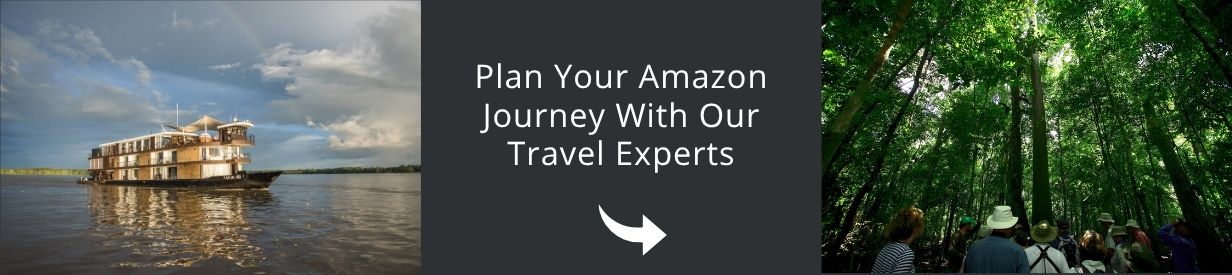
The itinerary centers on Peru’s Pacaya Samiria National Reserve and the surrounding Amazon river system. Travelers typically reach the region by flying from Lima to Iquitos and then continuing roughly two hours by road to the port town of Nauta.
The reserve contains more than 1,000 animal species, including roughly 500 bird species. Excursions may focus on birds, pink river dolphins and nocturnal wildlife, although sightings depend on natural conditions and are never guaranteed.
Most wildlife outings use small skiffs and generally last between 90 minutes and two hours. Depending on water levels and conditions, activities can also include jungle walks, community visits, traditional fishing, kayaking and river swimming.
Zafiro has 19 cabins: eight First Deck Suites, eight Second Deck Suites with private balconies, two Master Suites and one Zafiro Suite. All categories have floor-to-ceiling windows, and the vessel is air-conditioned.
Expect substantial heat and humidity, early departures and itinerary changes dictated by weather or river conditions. Rubber boots may be used for muddy jungle walks, while cash is useful for purchasing handicrafts during community visits.

Leave a Comment