
The Amazon is often imagined as a distant, almost mythical wilderness. In reality, it is a vast living region of forests, rivers and communities that continues to shape the way travelers think about nature. This month, Voyagers turns its focus to Amazonia, exploring the places, people and projects that reveal the forest beyond its clichés.
Covering more than six million square kilometers across several South American countries, the Amazon basin holds the largest tropical rainforest on Earth. For many first-time visitors, concerns start with mosquitoes, wildlife or the scale of the jungle itself. Yet travelers who arrive often discover a different challenge: the powerful urge to return.
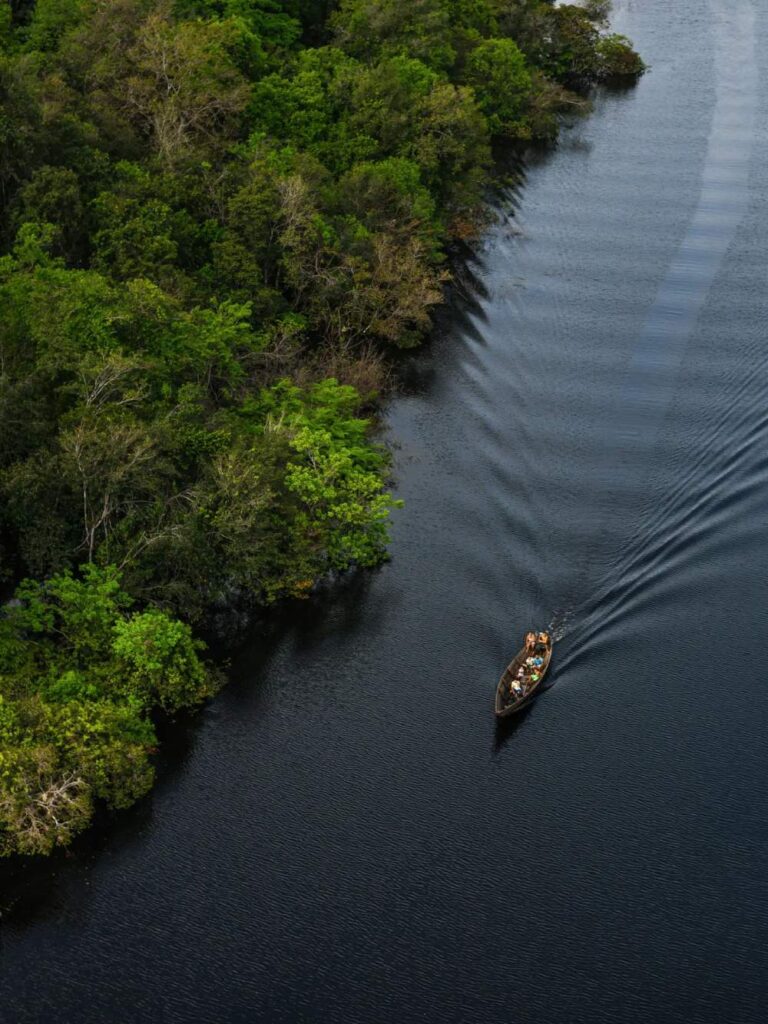
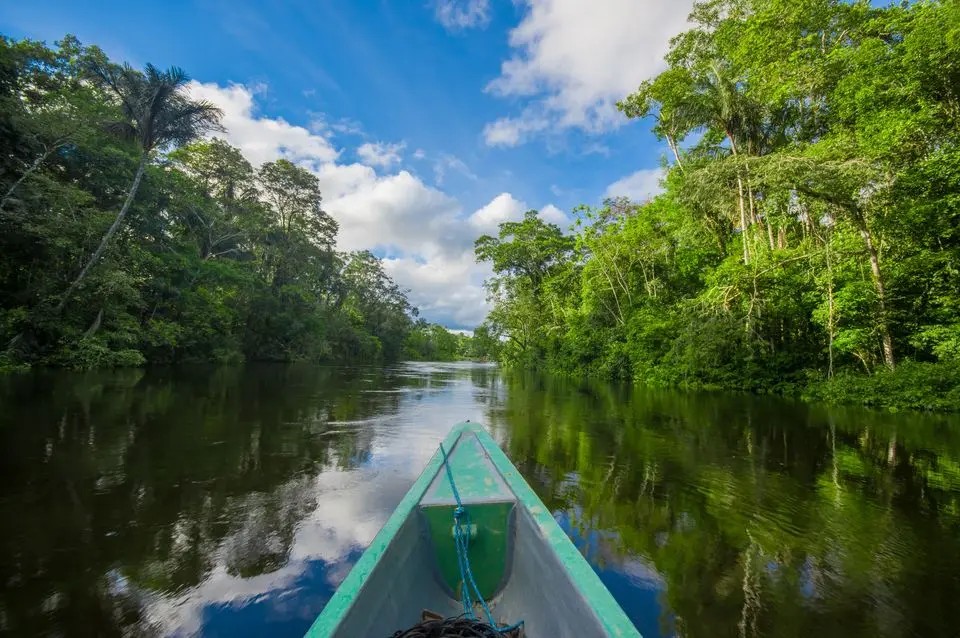
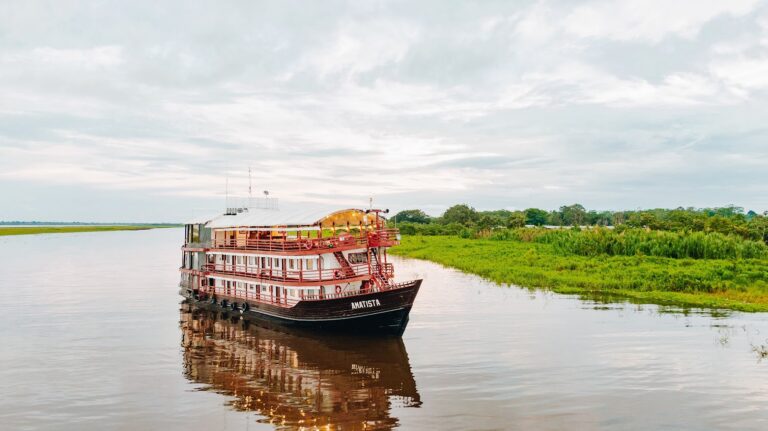
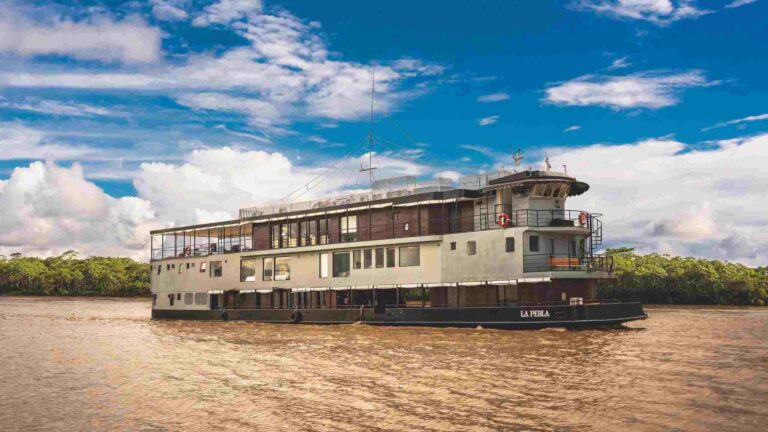
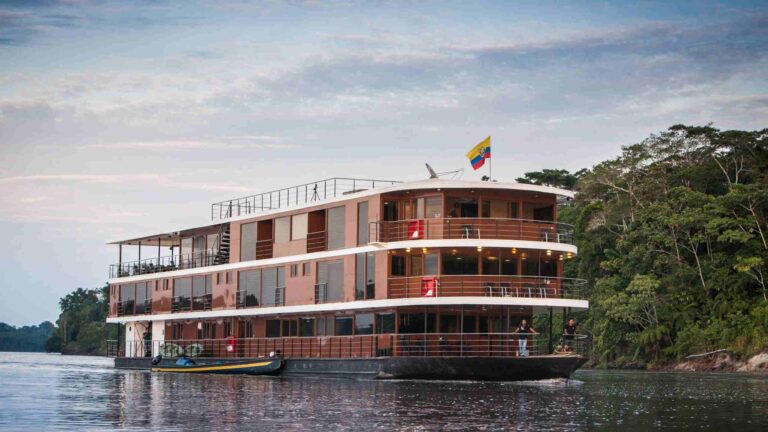
The region offers countless ways to explore it. Some journeys follow winding tributaries by boat, moving slowly through flooded forests and remote villages. Others take visitors deep into the rainforest from small lodges, where the rhythms of the jungle shape each day. Across the basin, travel increasingly connects visitors with conservation efforts and local initiatives working to protect the forest.
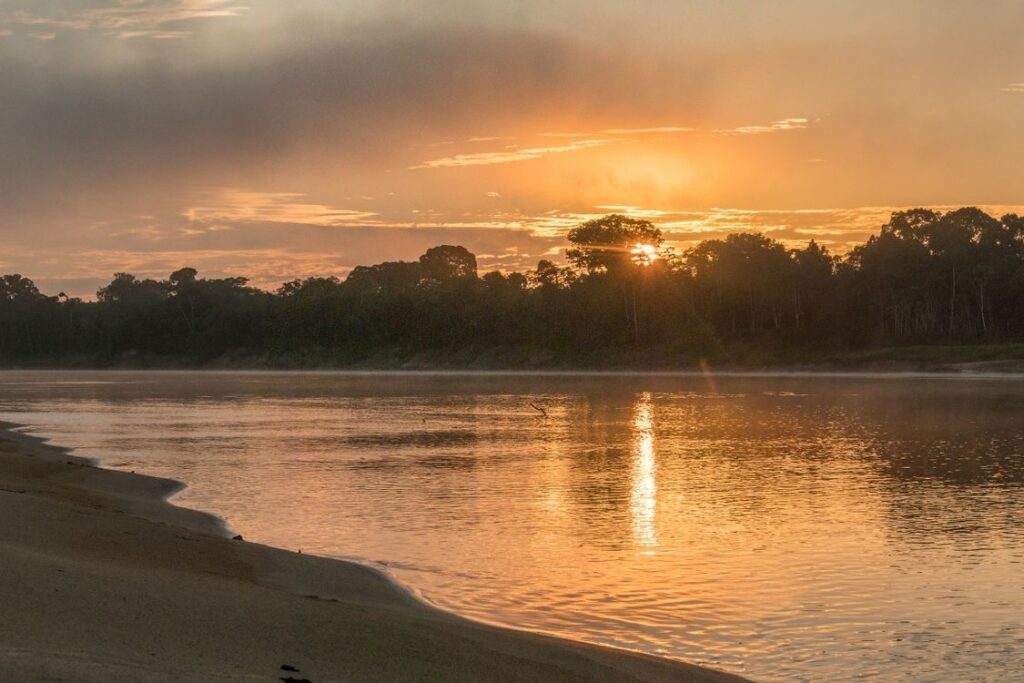 Photo: 12MN[/caption]
Voyagers planners highlight that many common ideas about the Amazon overlook its true scale and diversity. The forest stretches across nine countries, threaded by a network of rivers that together form the largest watershed on the planet. Wildlife ranges from pink river dolphins to countless bird species, while Indigenous and local communities have shaped life along the rivers for generations.
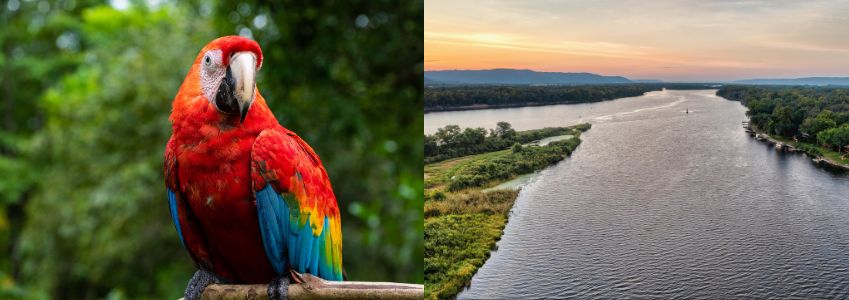
Understanding the Amazon means moving beyond dramatic stereotypes. Encounters here are often quieter: a canoe drifting through flooded forest, the distant call of howler monkeys at dawn, or the sudden flash of a macaw crossing the canopy. These details reveal a complex ecosystem where human culture and biodiversity remain closely intertwined.

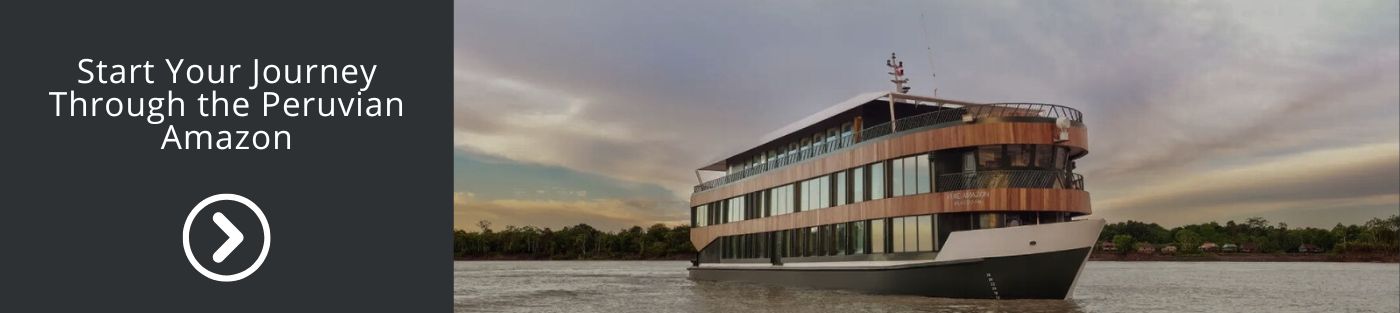
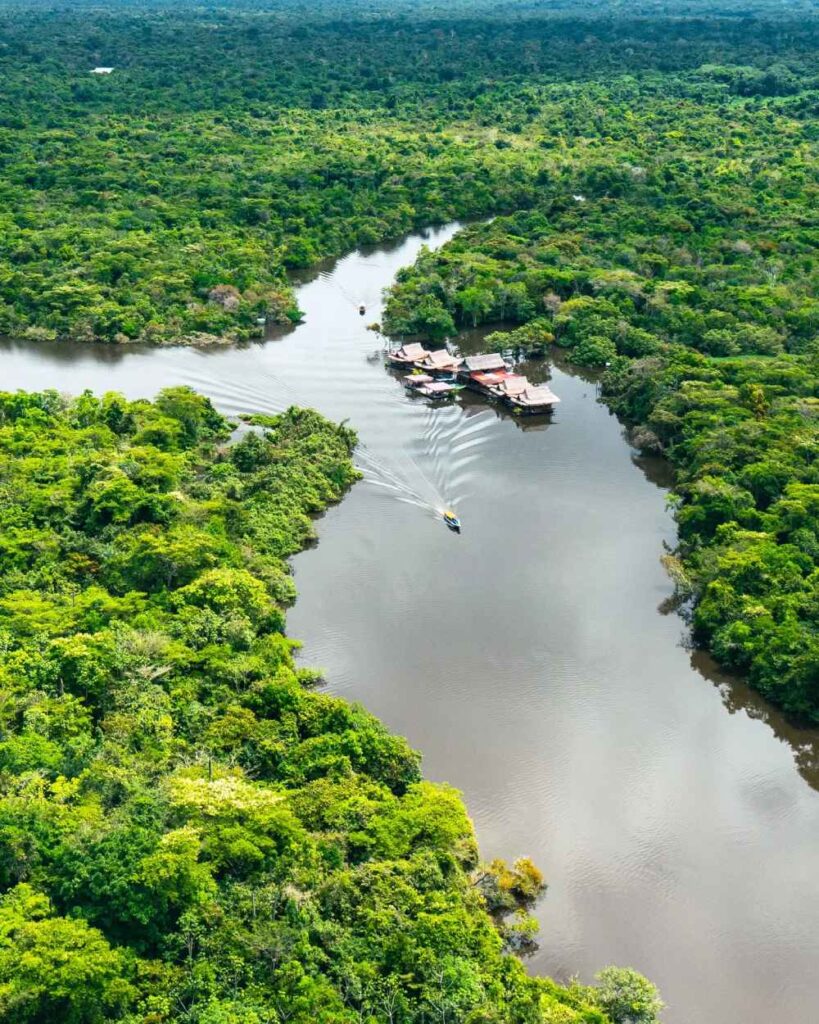
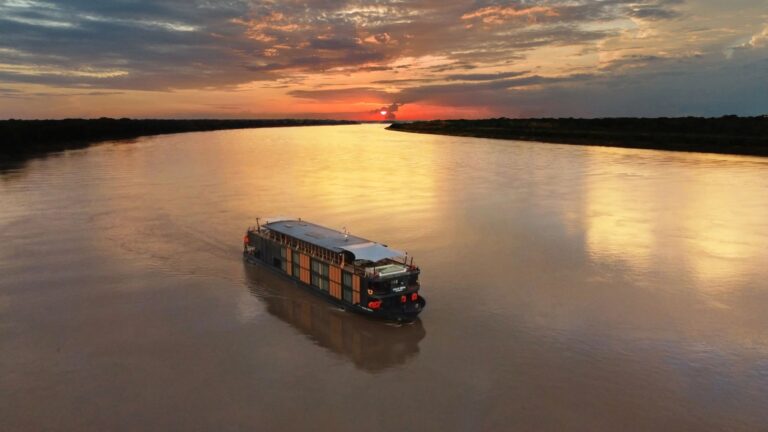
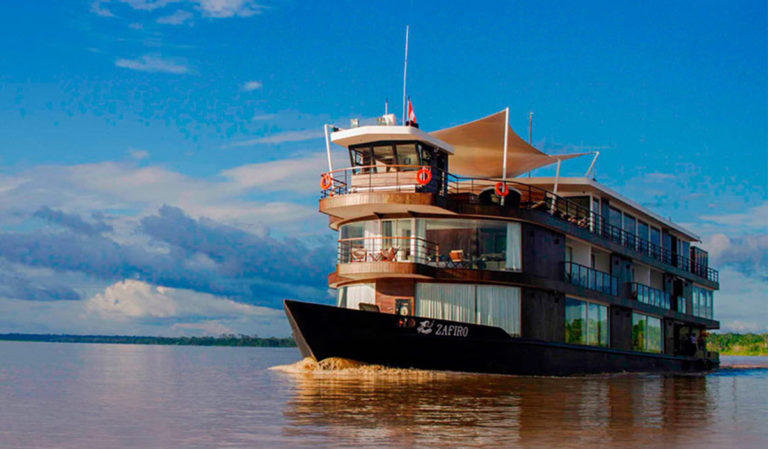
In the Peruvian Amazon, Voyagers compares two distinct styles of travel that offer different perspectives on the same environment. River expeditions provide comfort and mobility, allowing travelers to navigate remote waterways while returning each evening to a floating base. Lodge-based stays, by contrast, place visitors within the forest itself, where trails, observation towers and night walks bring the sounds and movement of the jungle close.
Both approaches reveal different sides of the Amazon. From the river, the forest unfolds slowly along the banks, with daily excursions by skiff into narrow channels and lagoons. From a lodge, the experience becomes more immersive, with guided walks, wildlife tracking and long hours spent listening to the forest around you.
Beyond travel, many journeys intersect with long-term conservation efforts. One initiative supported by Voyagers focuses on reforestation and sustainable forest management, the result of more than two decades of work studying ecosystems and restoring degraded land. Projects like this combine scientific research with community partnerships aimed at protecting the Amazon’s biodiversity while creating viable livelihoods.
In Ecuador’s Amazon region, women-led initiatives are also playing a growing role in conservation and local development. These organizations blend entrepreneurship, cultural leadership and environmental stewardship, demonstrating how local communities continue to act as guardians of the forest.
Travel can also become a starting point for deeper engagement. Some visitors leave with a renewed understanding of the region’s challenges and opportunities, choosing to support conservation programs or community projects long after their trip ends.
For many travelers, the Amazon begins as an idea and ends as something far more personal. Once experienced firsthand, the forest rarely feels distant again. It becomes a place people hope to return to, and a landscape whose future increasingly matters to those who have seen it.

Leave a Comment